
Traditional Fermenation,
Done Right

Clear methods proven by time
Fermentation Calculator
Salt Ratios. Dry vs Wet Brine. No Guesswork.
Recent Posts
-
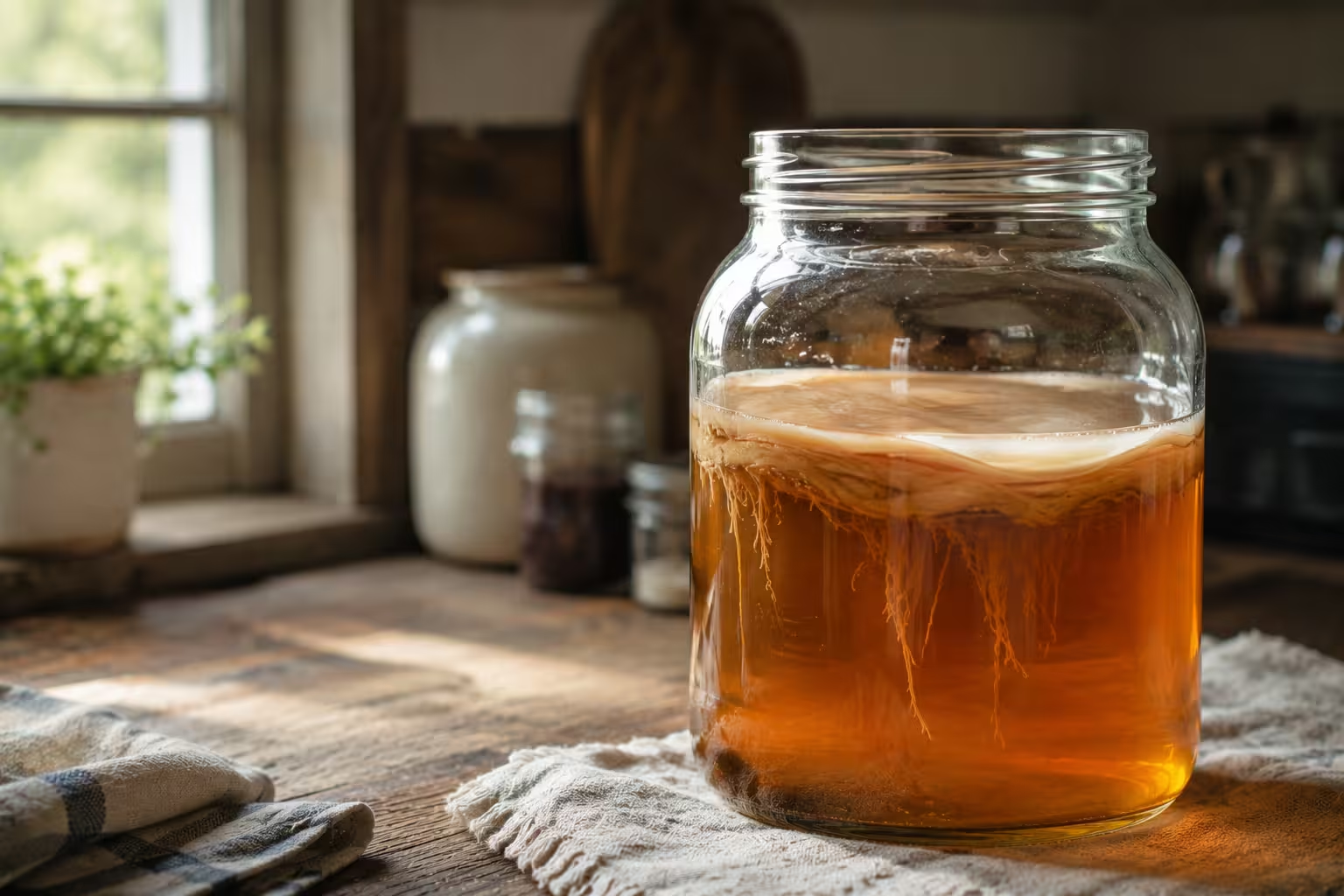
How Long Should Kombucha Ferment? A Realistic Beginner Timeline
Most kombucha takes 7 to 14 days to ferment, but temperature, starter strength, and taste matter more than the calendar. Use this realistic beginner timeline to know when it is ready.
-
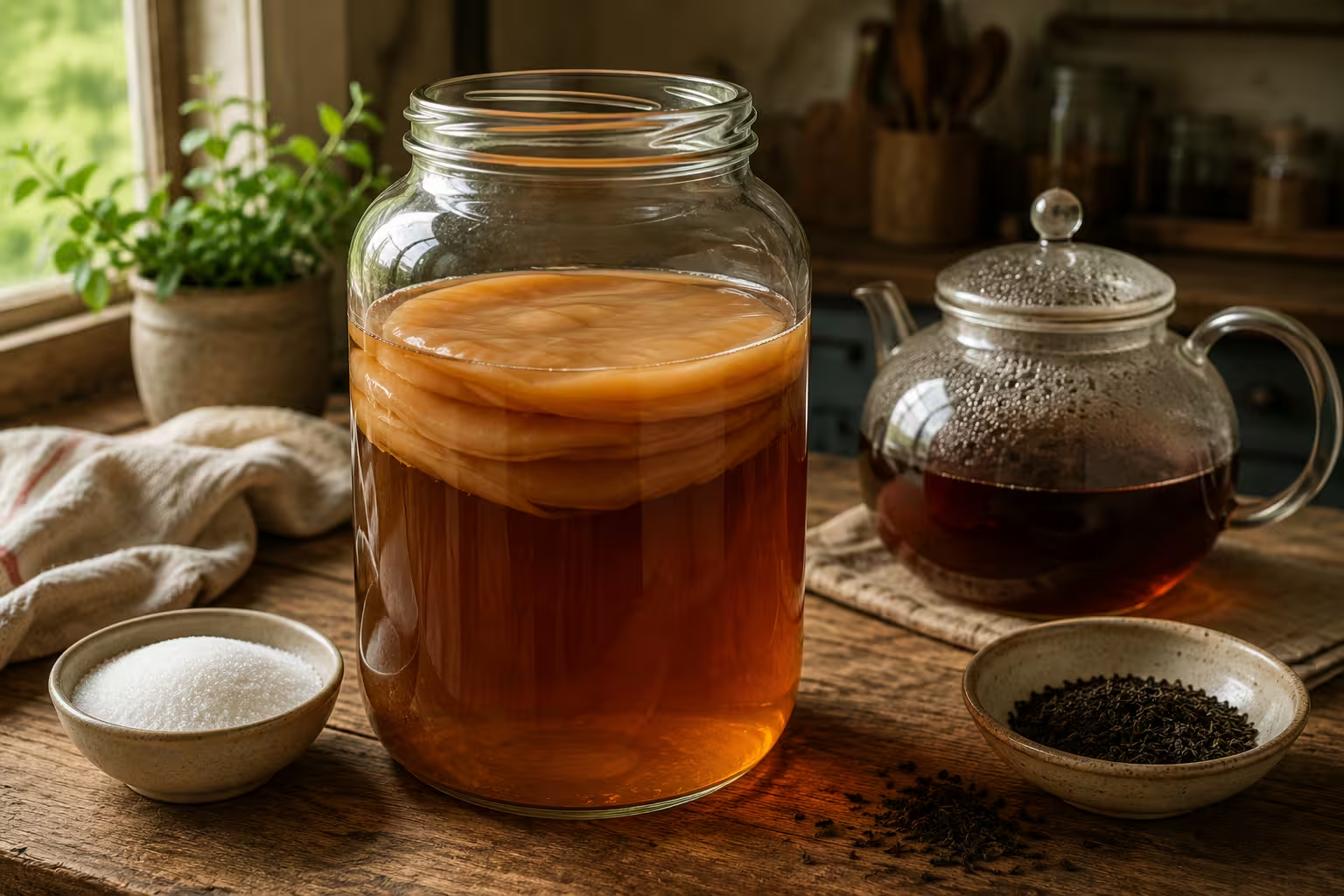
Best Sugar for Kombucha: What Works, What Doesn’t, and What to Avoid
The best sugar for kombucha is plain white cane sugar. Learn which sugars ferment reliably, which create problems, and what to avoid on a first batch.
-

How to Make Kombucha for the First Time
Making kombucha for the first time feels more complicated than it really is. The SCOBY looks strange, the jar changes slowly, and normal fermentation signs can look suspicious before you know what you are seeing. A cloudy batch, brown yeast strands, a sunken SCOBY, or a thin film forming on the surface can all look…
-
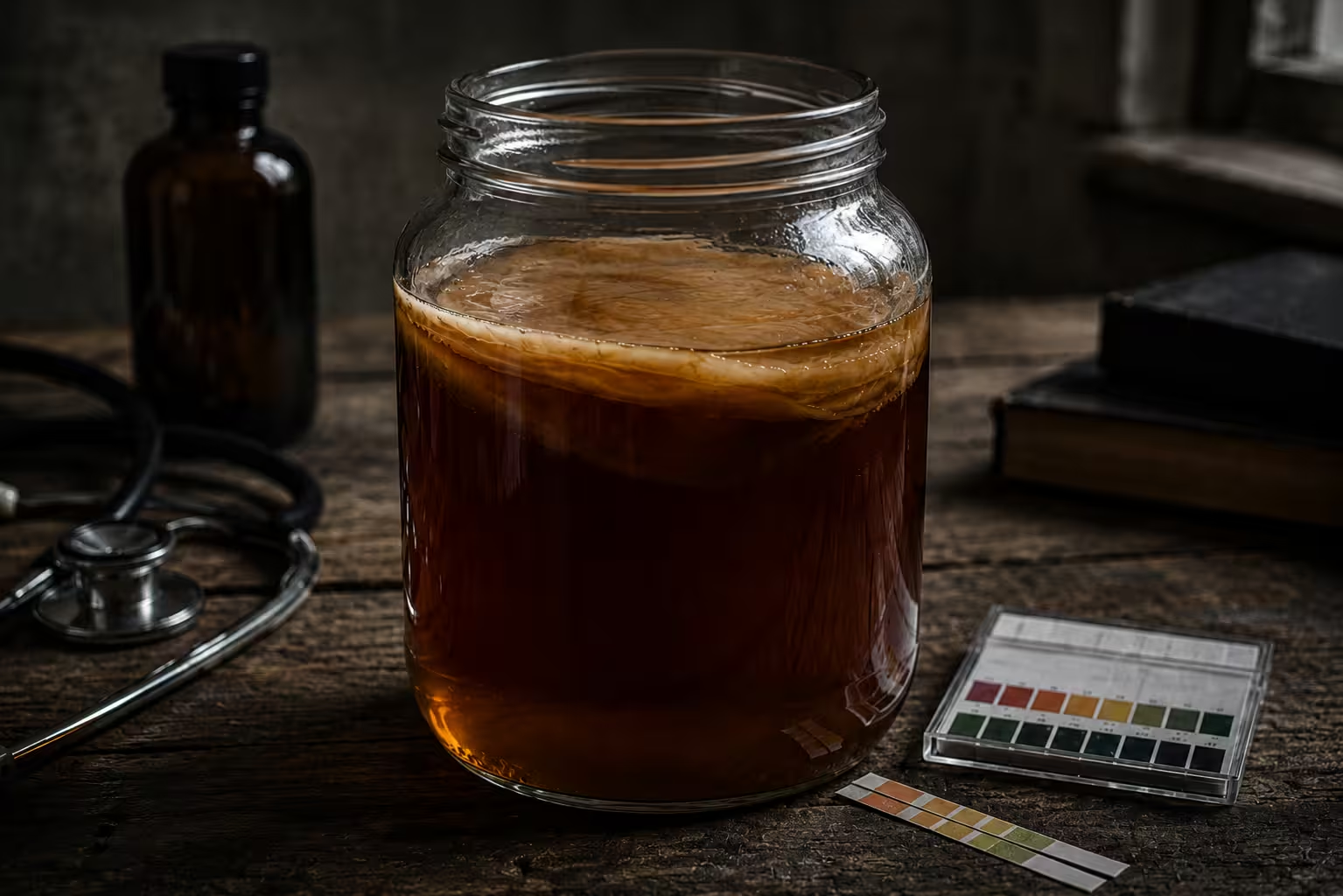
Can You Get Botulism From Kombucha?
Botulism is extremely unlikely in properly brewed kombucha. Learn why acidity matters, the real safety risks to watch for, and when to discard a batch.
-
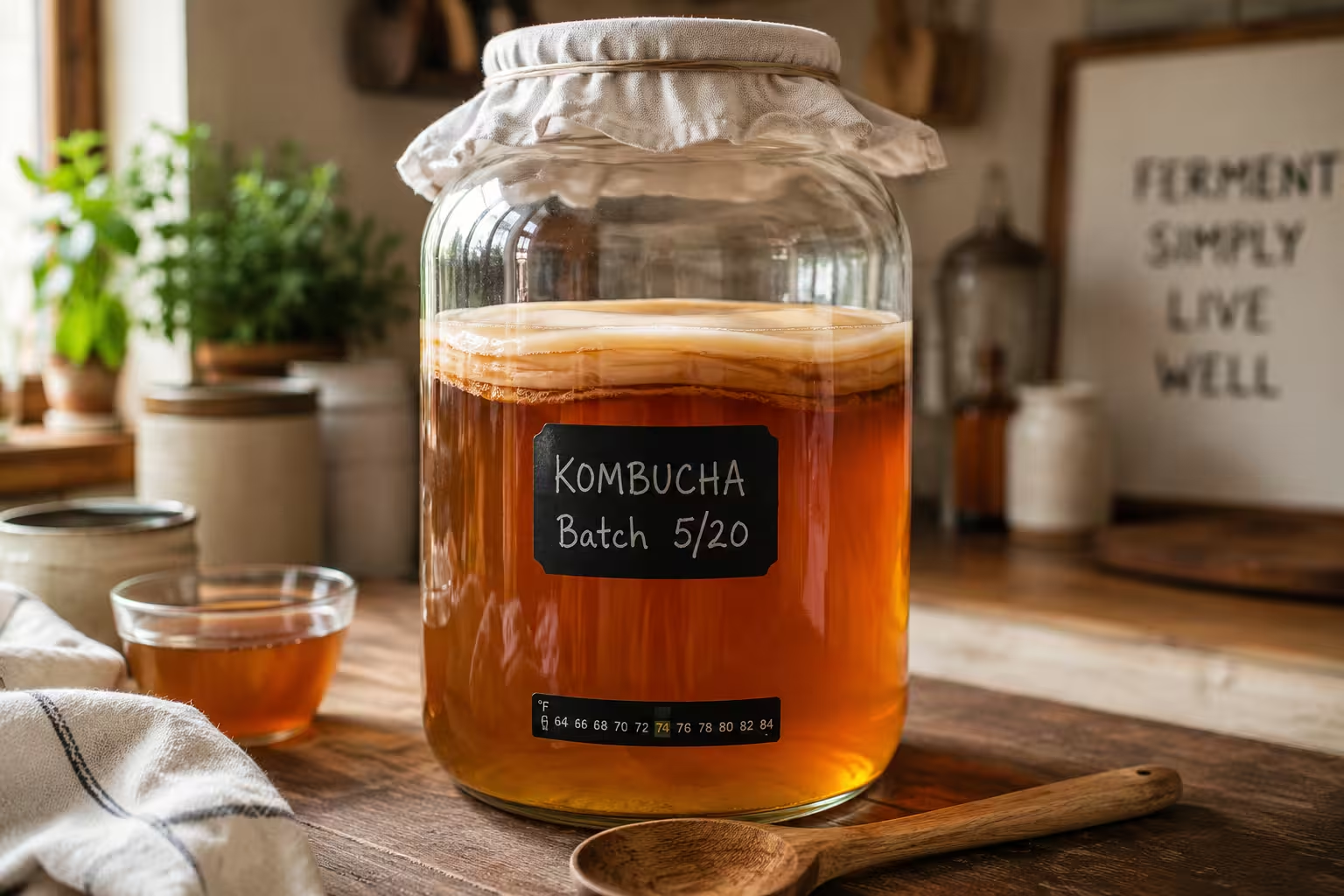
Why Is My Kombucha Still Sweet? Signs It Isn’t Fermenting Properly
Kombucha that stays sweet is usually fermenting too slowly. Learn the common causes, from cold temperatures and weak starter liquid to tea, sugar, and culture problems.
-
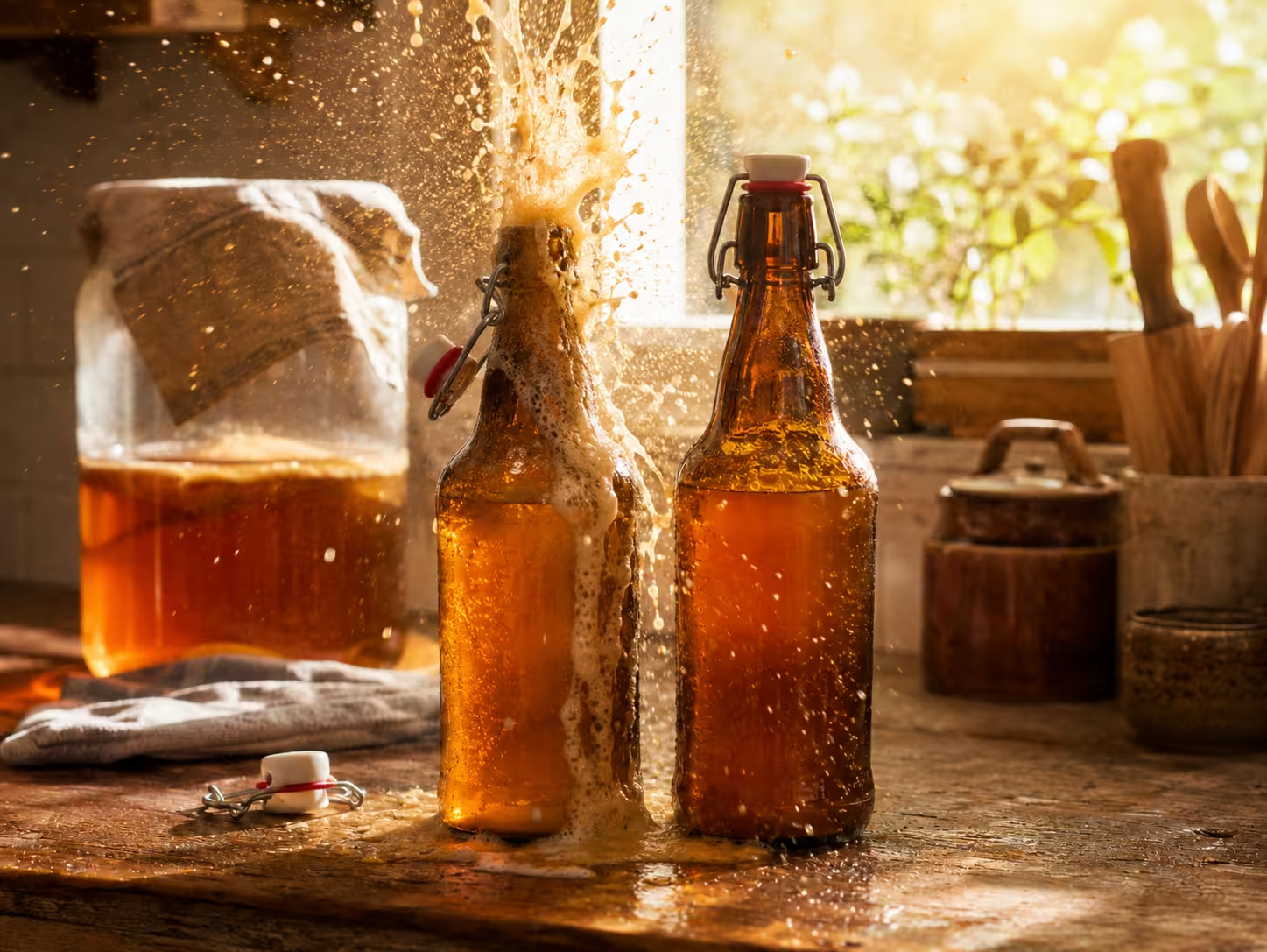
How to Get Fizzy Kombucha Every Time (Without Exploding Bottles)
Reliable kombucha carbonation comes from three things: active yeast, available sugar, and a sealed pressure safe bottle. When those conditions line up, second fermentation produces steady fizz. When one of them is missing, the batch turns out flat, uneven, or overpressurized. Second fermentation is not guesswork. It is the bottled stage where yeast keep working…