
Traditional Fermenation,
Done Right

Clear methods proven by time
Fermentation Calculator
Salt Ratios. Dry vs Wet Brine. No Guesswork.
Recent Posts
-
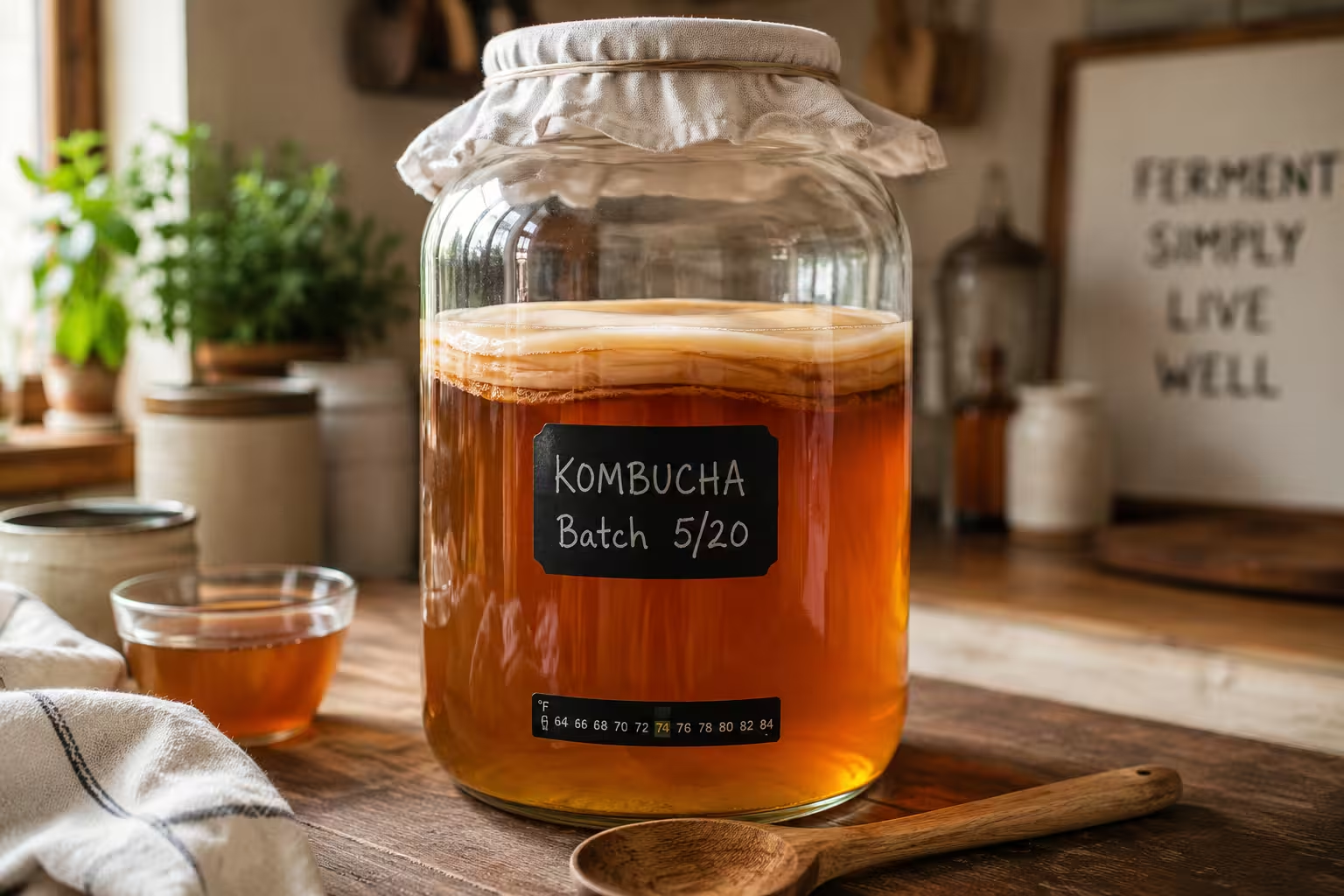
Why Is My Kombucha Still Sweet? Signs It Isn’t Fermenting Properly
Kombucha that stays sweet is usually fermenting too slowly. Learn the common causes, from cold temperatures and weak starter liquid to tea, sugar, and culture problems.
-
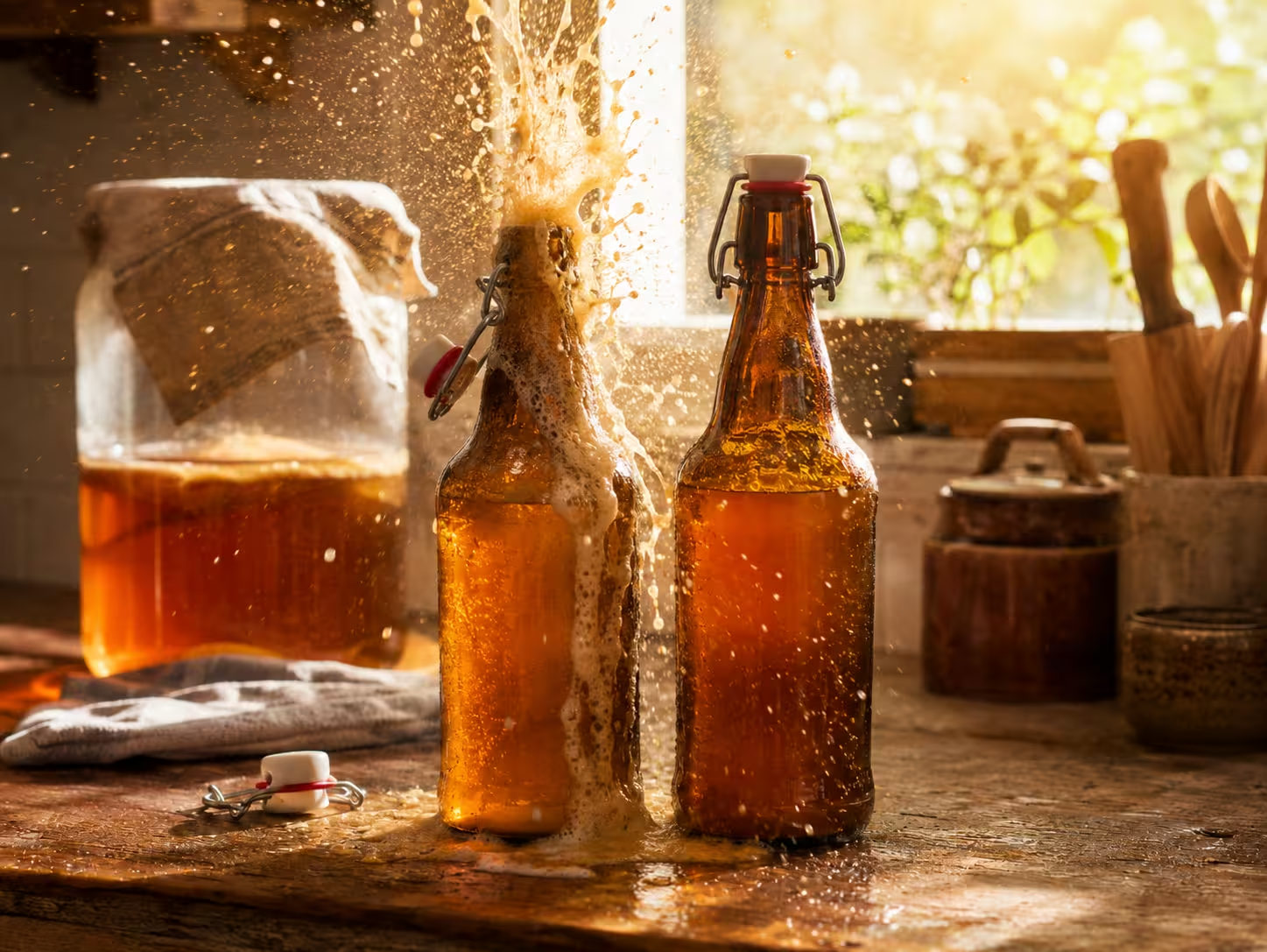
How to Get Fizzy Kombucha Every Time (Without Exploding Bottles)
Reliable kombucha carbonation comes from three things: active yeast, available sugar, and a sealed pressure safe bottle. When those conditions line up, second fermentation produces steady fizz. When one of them is missing, the batch turns out flat, uneven, or overpressurized. Second fermentation is not guesswork. It is the bottled stage where yeast keep working…
-

Kombucha Too Sour? Causes, Fixes, and When to Start Over
Kombucha that tastes sharply sour usually fermented too long, too warm, or with too much starter tea. In most cases, this is a flavor problem, not a safety problem. The batch kept doing what kombucha naturally does during first fermentation: the yeast and bacteria continued working until the sweetness faded and the acids took over.…
-

Complete Kombucha Guide for Beginners
Learn to brew kombucha at home, from tea and sugar to SCOBY care, first fermentation, bottling, flavoring, troubleshooting, and basic safety.
-
What Is a Kombucha SCOBY and What Does It Do?
A kombucha SCOBY is the living culture that ferments sweet tea into kombucha. It is made up of bacteria and yeast working together in an acidic tea environment. The pale rubbery layer most people call the SCOBY is only the visible part of the culture. The active culture also lives throughout the starter liquid. This…
-

How to Bottle Kombucha the Right Way
Learn how to bottle kombucha safely for second fermentation, including the right bottles, headspace, timing, refrigeration, and how to avoid dangerous pressure buildup.