
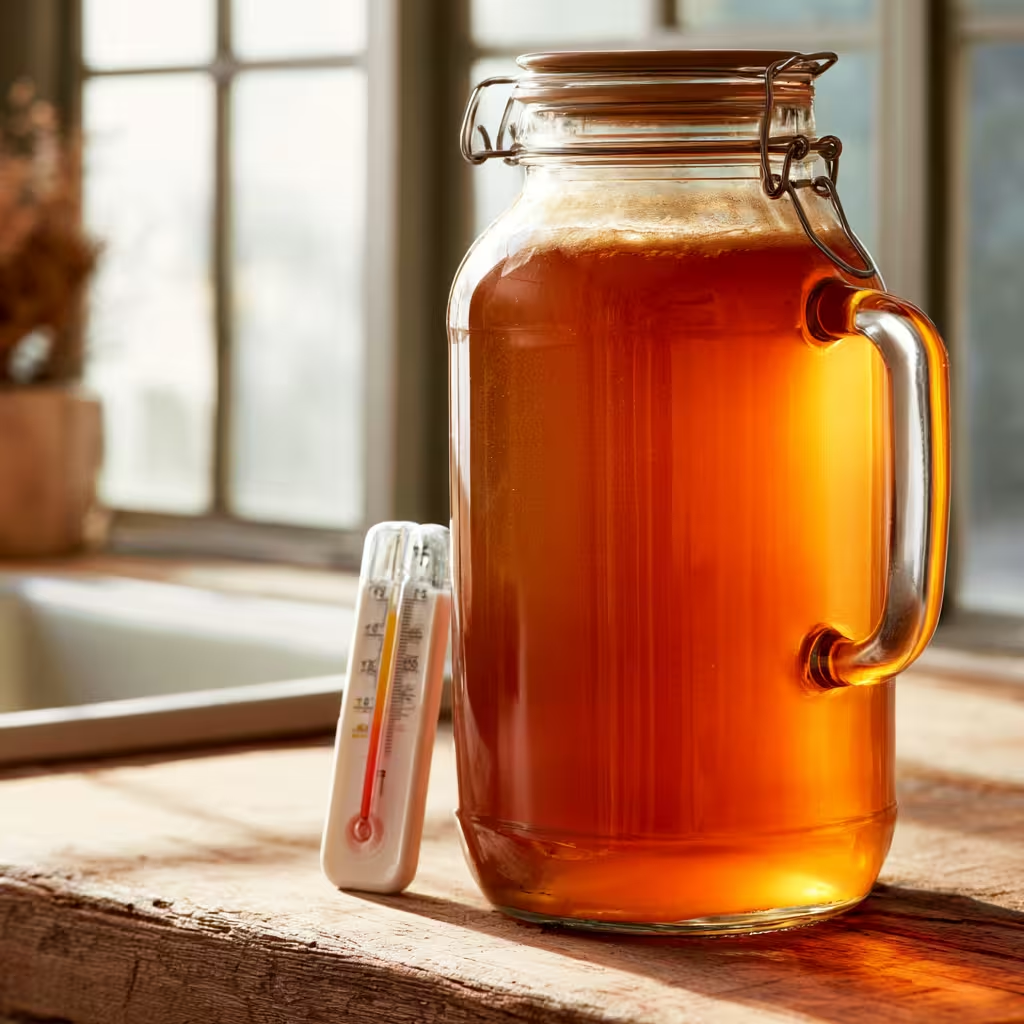
Temperature is one of the main variables that changes how kombucha ferments. The best temperature for kombucha fermentation is 75 to 80°F, or 24 to 27°C. A healthy SCOBY can still work outside that range, but the batch becomes slower, faster, sharper, sweeter, or less predictable depending on how far the temperature moves.
A practical working range is about 68 to 85°F. Below that range, fermentation slows and may seem stalled. Above it, fermentation speeds up and can produce harsh acidity before the flavor has time to develop. Temperature does not need to be perfect, but it does need to be stable enough for the culture to work consistently.
Most temperature problems show up as timing problems. A batch that stays sweet too long is often too cold. A batch that turns sour in only a few days is often too warm. Understanding temperature makes it easier to troubleshoot sweetness, sourness, weak carbonation, and inconsistent fermentation from batch to batch.
| Kombucha Temperature | What to Expect | What to Do |
|---|---|---|
| Below 68°F (20°C) | Fermentation is slow; batches may take 14 days or longer | Move the jar somewhere warmer or use a thermostat-controlled heating wrap |
| 68–74°F (20–23°C) | Ferments normally but slowly, usually 10–14 days | Fine for brewing; begin tasting around day 10 |
| 75–80°F (24–27°C) | Best balance of steady fermentation, clean flavor, and healthy SCOBY growth | Ideal range; start tasting around day 7 |
| 81–85°F (27–29°C) | Ferments fast and can become sharply sour | Taste earlier and keep it out of direct heat or sunlight |
| Above 85°F (29°C) | Culture can become stressed and flavors may turn harsh or overly vinegary | Relocate the jar to a cooler, shaded spot |
What Is the Best Temperature for Kombucha?
The best temperature for kombucha is 75 to 80°F. In that range, the yeast and bacteria in the culture remain active and reasonably balanced. The yeast consume sugar, the bacteria produce acids, and the batch usually develops a clean sweet tart flavor with enough remaining activity for second fermentation.
Kombucha can ferment below or above that ideal range, but the timing changes. Cooler temperatures slow the culture and leave more sweetness for longer. Warmer temperatures speed fermentation and push acidity faster. The batch may still be safe and active, but the flavor can shift quickly if it is not tasted on schedule.
Consistency matters more than hitting an exact number. A steady 72°F batch is usually easier to manage than one that swings between 68°F overnight and 82°F in the afternoon. Stable conditions help establish a repeatable rhythm, which matters more than chasing a perfect thermometer reading.
 Old School Tip: Temperature should be treated as a pace setter. It controls how quickly the batch moves from sweet tea toward tart kombucha. Once the pace of the brewing spot is known, timing becomes much easier to predict.
What Happens If Kombucha Is Too Cold?
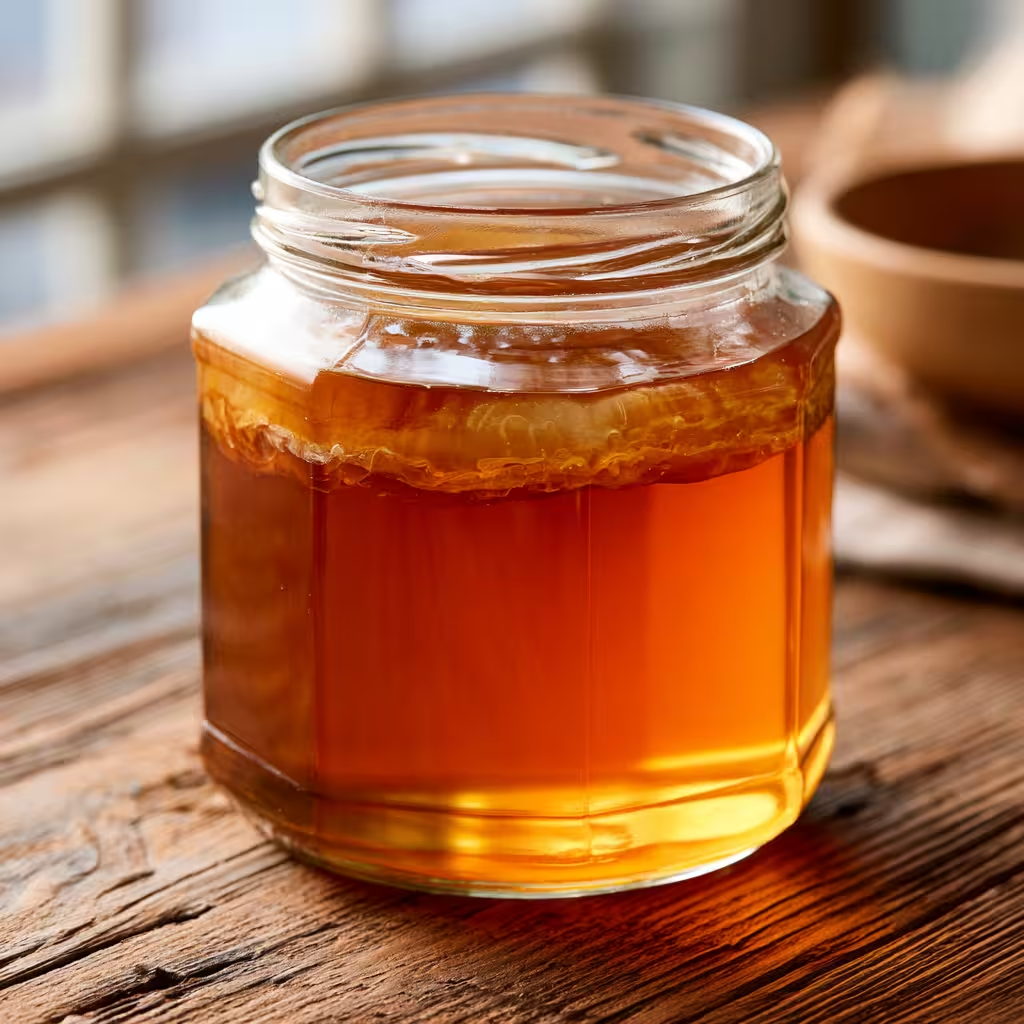
Cold is the most common temperature problem in home kombucha brewing. Drafty kitchens, winter rooms, tile counters, basements, and aggressive air conditioning can all keep the jar colder than expected. The room may feel comfortable, but the liquid can still be too cool for steady fermentation.
Below 70°F, fermentation slows noticeably. A batch that might finish in 7 to 10 days at a warmer temperature may need 10 to 14 days or longer. The kombucha may still taste sweet after a week because the bacteria have not had enough warmth and time to produce the acids that balance the sugar.
Below 65°F, fermentation can nearly stall. The culture is not necessarily dead. It is usually inactive or sluggish. Common signs of a cold batch include persistent sweetness after 10 days, little aroma change, weak pellicle growth, little acid development, and liquid that still smells like sweet tea instead of fermenting kombucha.
If a batch remains sweet longer than expected, temperature should be checked before assuming the SCOBY is weak. Sweet kombucha is often a slow ferment, not a failed one. For a full troubleshooting guide, read Why Is My Kombucha Still Sweet?.
What Happens If Kombucha Is Too Hot?
Heat speeds fermentation, but faster is not always better. Above 85°F, kombucha can move quickly from balanced to sharp. The bacteria tend to push acidity faster, and the finished flavor may become harsh, thin, or vinegary before the brew develops much depth.
A hot batch may taste finished in only 3 or 4 days. It may smell strongly acidic, contain very little sweetness, and produce a thick or rubbery pellicle while the liquid tastes flat or sharp. This is not always a safety problem, but it is a quality problem. The yeast and bacteria are still working, but the balance has shifted.
Sustained temperatures above 90°F can stress the culture over time. One short warm period is usually not enough to ruin a strong SCOBY, but repeated hot batches, direct sun, or storage near a heat source can weaken the culture and make results inconsistent.
Heat does not automatically cause mold. Mold is more closely tied to weak acidity, insufficient starter liquid, contamination, or poor setup. If surface growth is the concern, compare it with White Stuff on Kombucha? before assuming temperature caused the problem.
 Take Heed: Fuzzy mold on the surface is a discard sign. If raised, dry, fuzzy growth appears in green, black, blue, pink, or powdery white patches, do not taste the batch. Discard the liquid and SCOBY, then clean the equipment before brewing again.
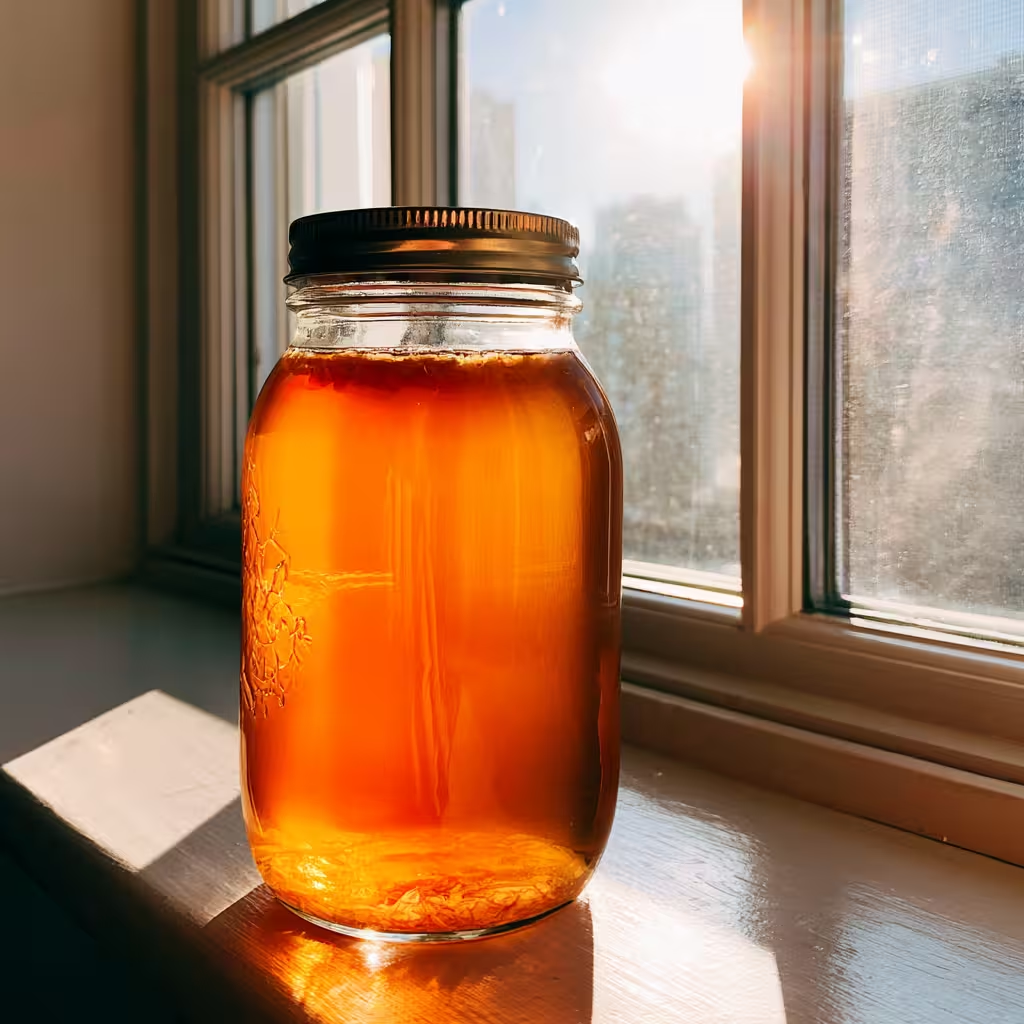
If kombucha becomes vinegary in only a few days, warmth is usually one of the first variables to check. The full sour batch breakdown is covered in Kombucha Too Sour?.
Does Kombucha Need an Exact Temperature?
Kombucha does not need an exact temperature. The ideal range is useful, but the batch does not fail because the kitchen sits a few degrees outside it. Home fermentation has always depended on seasonal rhythm, room conditions, taste, and observation.
A kitchen that stays around 72°F can still make good kombucha. The batch may simply take longer. A kitchen that stays around 80°F may finish faster and need earlier tasting. The goal is not to force every batch into the same schedule. The goal is to understand the conditions and adjust timing accordingly.
The main problem is instability. A jar that moves between cool nights and hot afternoons may produce inconsistent batches even when the recipe stays the same. One batch may stay sweet, another may finish early, and another may develop harsh acidity before bottling. Stable temperature teaches more than constant repositioning.
Old School Tip: Do not chase the thermometer all day. Put the jar in the most stable reasonable spot, taste on schedule, and learn the pattern. A predictable 72°F spot is better than a “perfect” spot that swings wildly.
Time and temperature are tied together. A warm batch finishes sooner, and a cool batch takes longer. For normal timing ranges, read How Long Does Kombucha Take to Ferment?.
How to Keep Kombucha at the Right Temperature
Most homes do not need special equipment for kombucha. A stable location matters more than a complicated setup. Good options include a pantry, a cabinet away from drafts, a counter away from windows, or a shelf that avoids direct air conditioning. The top of a refrigerator can work if it stays gently warm and not hot.
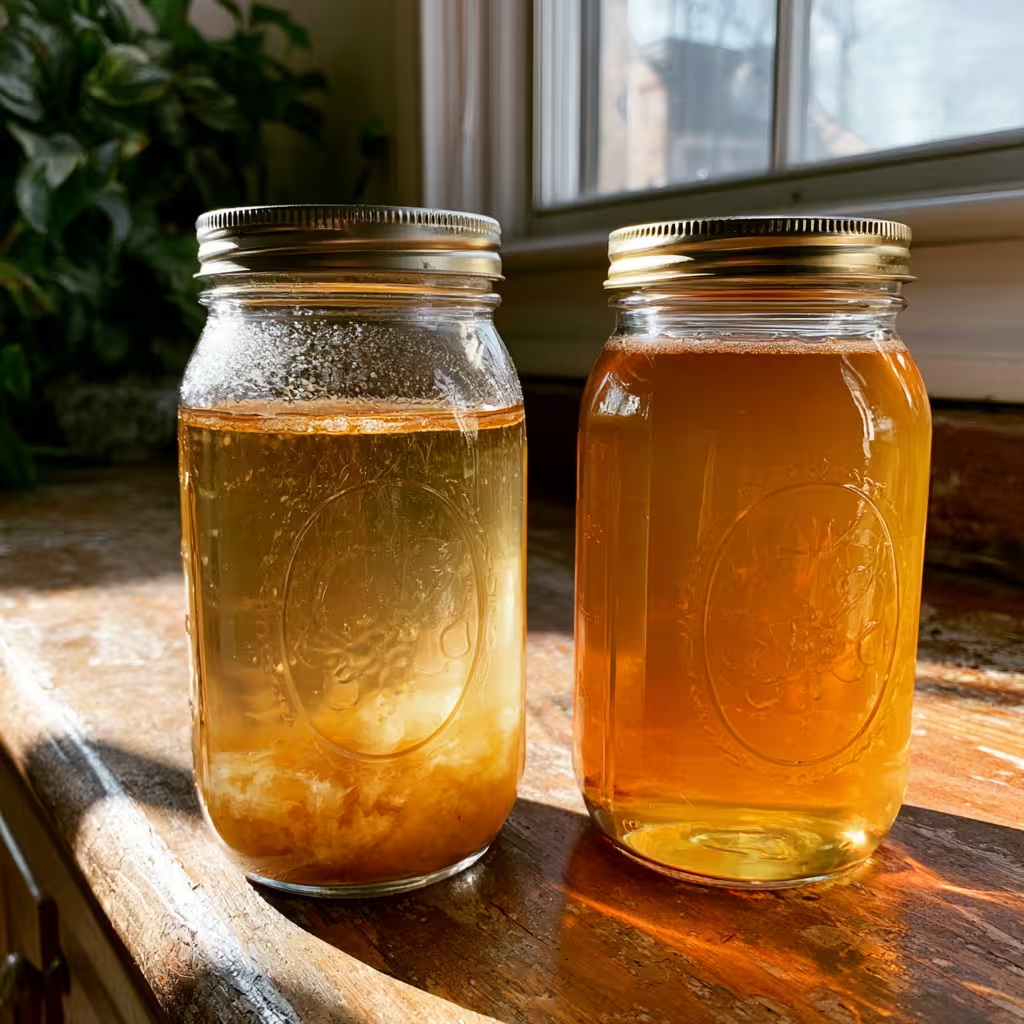
Direct sunlight should be avoided. Sunlight heats the jar unevenly and can make one side of the vessel warmer than the other. Windowsills are especially unreliable because temperature changes throughout the day. Kombucha does better in steady shade than in dramatic light and heat.
In Cold Weather
Cold weather often requires gentle warmth. A seedling heat mat is one of the simplest tools because it provides steady low heat without heating the whole room. A kombucha heating wrap can also work. In mildly cool rooms, wrapping the jar loosely in a towel may help a little, but it will not fix a truly cold environment.
Some brewers use a small cabinet, cooler, or insulated box with a heat mat inside as a simple fermentation chamber. The point is not high heat. The point is steady warmth near the ideal range.
In Warm Weather
Warm weather usually requires earlier tasting and a cooler location. Move the jar away from west facing windows, ovens, dishwashers, and appliances that radiate heat. A shaded interior room, pantry, or cooler part of the house can keep fermentation from racing too quickly.
If the kitchen runs above 80°F, start tasting earlier than usual. A batch that normally needs 8 or 9 days may be ready in 5 or 6. Waiting on the usual schedule can leave the kombucha too acidic before bottling.
First fermentation that runs too long can also affect fizz later. If the batch burns through too much sugar before bottling, second fermentation may be weaker. For that troubleshooting path, read Flat Kombucha? Why It’s Not Fizzy.
Seasonal Kombucha Brewing Tips
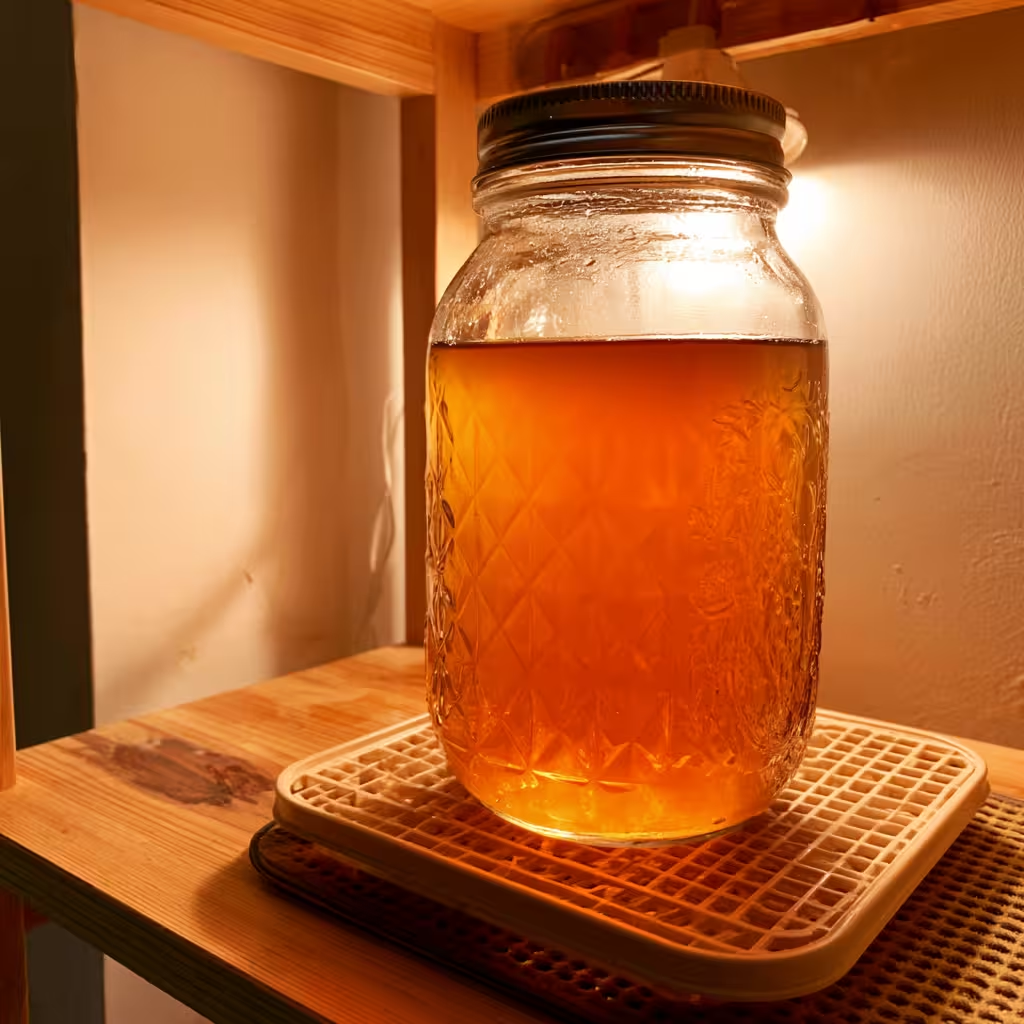
Winter brewing is the most common source of slow fermentation. If the house drops below 68°F at night, the SCOBY will slow down and the batch may need several extra days. A heat mat is useful for year round brewing because it keeps fermentation moving without requiring constant adjustments.
Summer brewing is usually faster, but it requires closer attention. When ambient temperature climbs above 80°F, a batch can finish in less than a week. Hot kitchens, sunny counters, and warm appliance areas increase the risk of overshooting the ideal flavor window.
Air conditioned homes can be misleading. A summer kitchen held at 70 to 72°F by strong air conditioning is still a mild cool brewing environment. The outdoor season does not matter as much as the temperature where the jar actually sits. In those conditions, kombucha may ferment reliably but slightly slower.
Signs Temperature Is Affecting Your Brew
Temperature problems usually show up in flavor, timing, and consistency. A cold batch tends to remain sweet, develop acidity slowly, and form a weak or thin pellicle. A hot batch tends to become vinegary quickly, lose sweetness early, and taste sharp or flat. An unstable batch produces different results even when the recipe remains the same.
Signs the Batch Is Too Cold
- Kombucha tastes sweet after 10 or more days
- Pellicle growth is thin, wispy, or weak
- Flavor changes slowly from day to day
- Acidity develops poorly
- The brew smells more like sweet tea than fermented tea
Signs the Batch Is Too Hot
- Kombucha tastes sharply vinegary in 3 or 4 days
- Harsh acidic smell develops quickly
- Little sweetness remains early in the timeline
- The pellicle is thick or rubbery while the liquid tastes flat
- Batches repeatedly over ferment even with shorter timing
Signs the Temperature Is Unstable
- Fermentation time changes widely from batch to batch
- Flavor varies even with the same recipe
- SCOBY health seems to decline over time
- The batch is difficult to predict from week to week
SCOBY position and appearance can create confusion, but those signs are usually separate from temperature. A SCOBY that sinks is usually not a problem by itself. The broader role of the culture is explained in What Is a Kombucha SCOBY and What Does It Do?.
FAQ
Can kombucha ferment at 68°F? Yes, but slowly. At 68°F you can expect fermentation to take 12–14 days or longer, and the result will often taste sweeter unless you wait it out. It’s a workable temperature, just not the most efficient one. Tasting regularly is more important than ever at cooler temps.
Is 90°F too hot for kombucha? It’s pushing the upper limit. At 90°F, fermentation happens very quickly and the flavor can become harsh and one-dimensional. Short-term exposure won’t ruin a culture, but sustained temps above 90°F — especially over multiple batches — can stress the SCOBY and throw off the bacterial-yeast balance. If your space regularly hits 90°F, find a cooler spot or brew in a different season.
Can I refrigerate kombucha while it’s still brewing? No. Refrigeration drops the temperature below 40°F, which effectively stops fermentation. Once you move a brewing kombucha to the fridge, it won’t continue fermenting meaningfully. Refrigeration is for storage after fermentation is complete — not during the process. This is separate from storing finished kombucha, which belongs in the fridge.
Why is my kombucha still sweet after a week? The most common reason is temperature. If your brew is sitting in a cooler space — below 70°F — fermentation slows significantly and it takes longer to reach proper acidity. Give it more time, move it somewhere warmer, and taste every day or two. A weak starter liquid is another possibility, but temperature is the first thing to check.
Does warmer kombucha ferment faster? Yes. Within the normal working range, warmer conditions accelerate fermentation. A batch at 80°F can finish in 5–7 days; the same recipe at 70°F might need 10–14. This is useful to know for planning, but it also means you need to taste more frequently in summer to catch the batch before it over-ferments.
Wrapping Up
The best temperature for kombucha fermentation is 75 to 80°F, with a practical working range of about 68 to 85°F. Cold slows fermentation and leaves the batch sweet longer. Heat speeds fermentation and can make the batch sharp, vinegary, or unbalanced. Stable temperature matters more than perfect temperature.
Most temperature problems are manageable. A cold batch can often recover with gentle warmth and more time. A hot batch needs a cooler location and earlier tasting. A batch that changes unpredictably from week to week usually needs a more stable brewing spot.
Temperature is one of the first variables to check when kombucha is too sweet, too sour, flat after bottling, or inconsistent between batches. Once the brewing spot is stable, the rest of the process becomes easier to read. For the full first batch process, start with How to Make Kombucha for the First Time. For carbonation after first fermentation, read How to Get Fizzy Kombucha Without Exploding Bottles.