
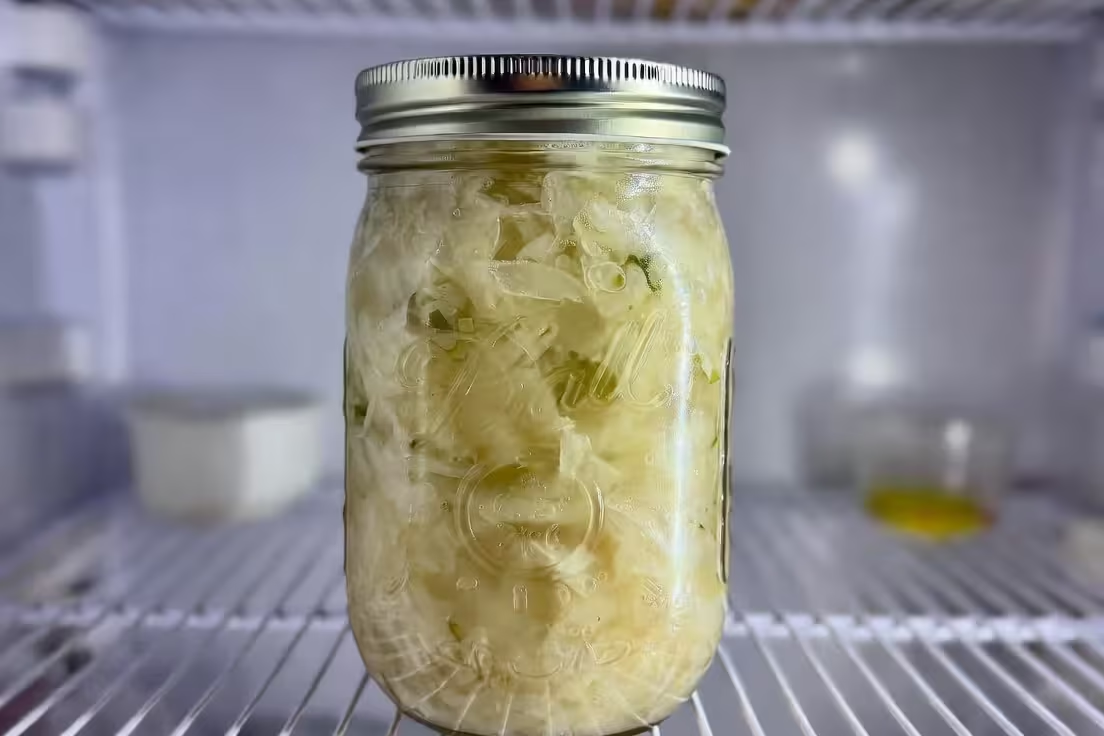
Sauerkraut can last anywhere from several days to several months after opening, depending on how it was made. Raw, naturally fermented sauerkraut can keep for months in the refrigerator, while opened canned or pasteurized sauerkraut has a much shorter refrigerated shelf life. Homemade fermented sauerkraut also commonly keeps for several months when stored properly.
| Type | Refrigerator life |
|---|---|
| Homemade fermented sauerkraut | Several months; often 4–6+ months |
| Raw/unpasteurized store-bought sauerkraut | Often several months when kept cold and clean |
| Opened canned/pasteurized sauerkraut | Follow package guidance; USDA gives 5–7 days for opened canned sauerkraut |
| Unopened shelf-stable canned sauerkraut | Follow the best-by date and inspect the container |
The big difference is whether the sauerkraut is still a live fermented food or has been canned or pasteurized. Properly fermented sauerkraut is acidic and naturally resistant to many spoilage organisms, which is why homemade and raw refrigerated sauerkraut can keep much longer than ordinary refrigerated leftovers.
How Long Does Homemade Sauerkraut Last in the Fridge?
Homemade sauerkraut will usually keep for 4 to 6 months in the refrigerator, and a properly fermented batch can often remain good longer.
Over time, the main change is usually quality rather than an abrupt expiration. The cabbage may become softer, more sour, and less crisp as it sits in cold storage.
 Old School Tip: Think of 4 to 6 months as a practical quality window, not a hard cutoff. A well-made batch can last longer, but its texture and flavor will continue to change.
If an older jar starts looking or smelling questionable, see the below section. For research-based preservation guidance, see Penn State Extension’s sauerkraut preservation guide.
How Long Does Sauerkraut Last After Opening?
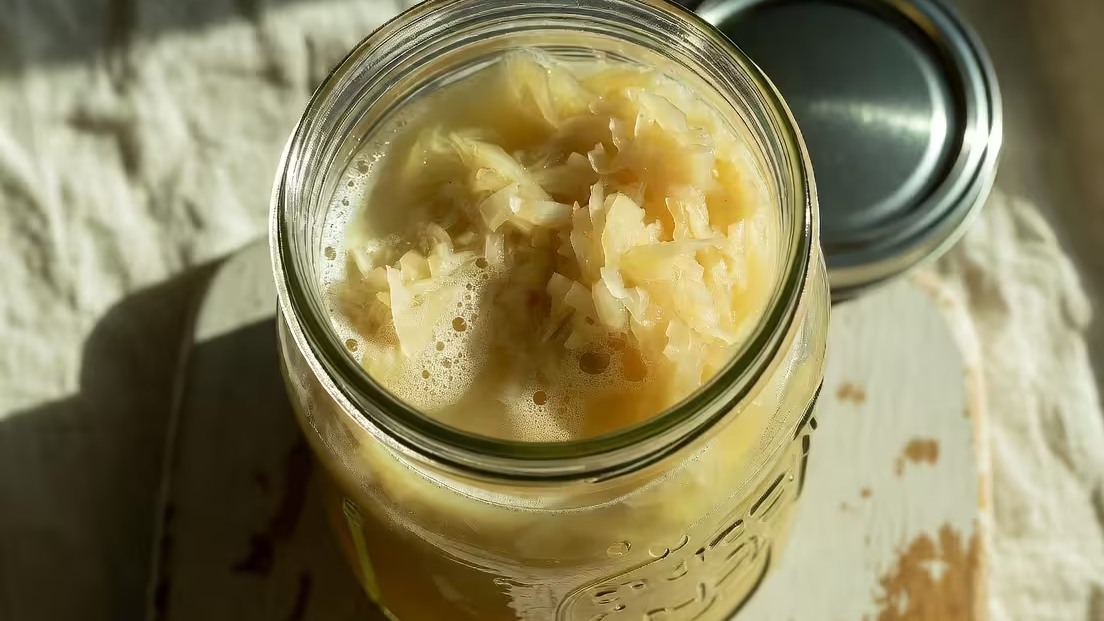
The answer depends heavily on whether the sauerkraut is raw and naturally fermented or canned and pasteurized. Those products may look similar in the jar, but they do not have the same shelf life after opening.
Raw or Unpasteurized Sauerkraut
Once you open a jar of raw sauerkraut, the clock doesn’t reset to zero — it was already fermenting before you got to it. What changes is exposure to air and the risk of contamination from handling.
Kept cold and submerged in brine, opened raw sauerkraut can hold easily for 4 to 6 months, and often longer. The brine is doing real work here. It keeps the cabbage acidic and helps maintain the conditions that preserved it during fermentation.
The common anxiety around opened sauerkraut — that it goes bad within a week or two — usually comes from treating it like fresh produce. It isn’t. It’s a fermented food with its own preservation chemistry.
Old School Tip:
Always use a clean utensil. Introducing bacteria from your hands or a used fork is one of the easiest ways to shorten the life of an otherwise healthy jar.
Keep the cabbage pushed below the brine. For more on cold storage and keeping the jar in good condition, see How to Store Sauerkraut Properly.
Canned or Pasteurized Sauerkraut
Canned or pasteurized sauerkraut is different. Because it has been heat-treated, you should not assume it will keep for months after opening simply because naturally fermented sauerkraut can.
Once opened, refrigerate it and follow the storage guidance on the package. Opened shelf-stable canned sauerkraut generally has a much shorter refrigerated life than raw, unpasteurized sauerkraut.
How Long Does Unopened Sauerkraut Last?
How long unopened sauerkraut lasts depends on whether it is shelf-stable or refrigerated.
Shelf-stable canned or jarred sauerkraut can remain good for a long time when stored in a cool, dry place with the container intact. The printed best-by date is primarily a quality date, not a moment when the sauerkraut suddenly becomes unsafe.
Refrigerated raw or unpasteurized sauerkraut should stay cold even before it is opened. Because it is still a live fermented food, its flavor and texture can continue to change slowly in the refrigerator. The date on the package is a useful quality guideline, but storage conditions and the condition of the product matter too.
How Long Past the Best-By Date Is Sauerkraut Good?
An unopened package does not automatically become bad the day it passes its printed date. With refrigerated sauerkraut, quality may gradually decline as the cabbage becomes softer and more sour. With shelf-stable sauerkraut, an intact container stored properly may remain usable well beyond its best-by date.
 Take Heed:
Do not use canned or jarred sauerkraut from a container that is bulging, leaking, badly rusted, cracked, or otherwise damaged.
What About Botulism?
Botulism comes up in fermentation questions regularly, and it’s worth addressing plainly. Lacto-fermented sauerkraut is not a botulism risk under normal conditions. Clostridium botulinum requires a low-acid, anaerobic environment to produce toxin. Sauerkraut’s pH — typically between 3.1 and 3.7 — is well below the threshold where botulism toxin can form.
For a fuller explanation of why fermented foods are safe and when genuine risks exist, see Can You Get Botulism From Fermented Foods?.
How to Tell if Sauerkraut Is Bad
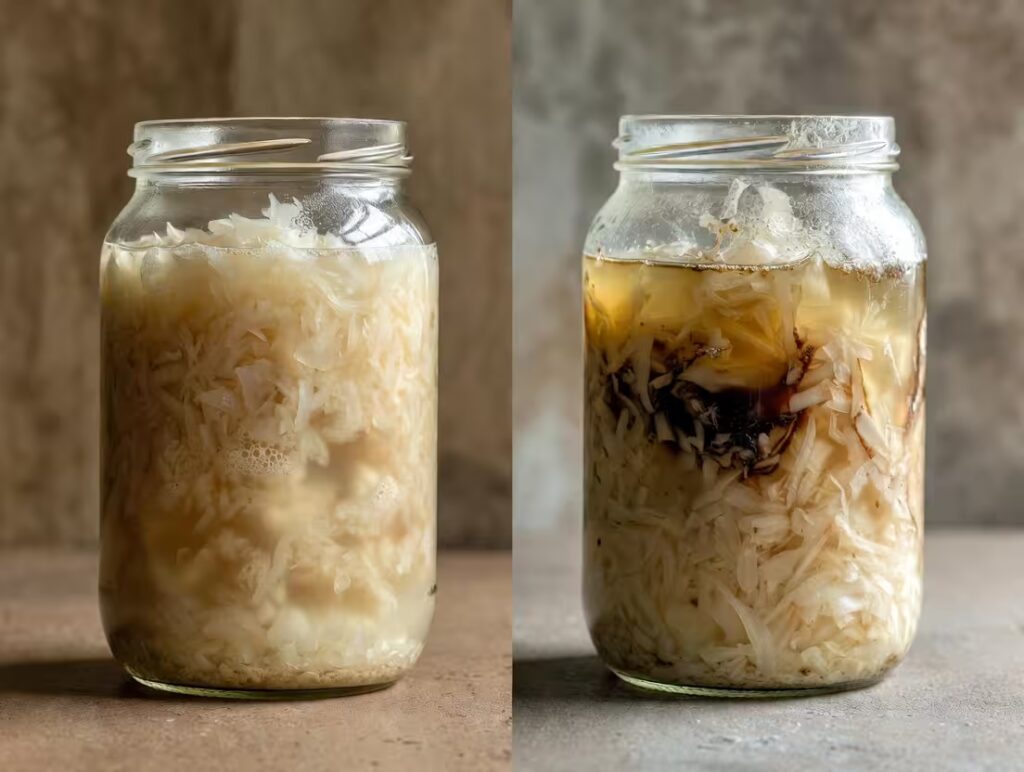
Most of what looks alarming in a sauerkraut jar isn’t actually a problem. Bubbling, cloudy brine, and a strong sour smell can all be normal. What you’re actually looking for is a much narrower set of spoilage signs.
Discard sauerkraut if you see:
- Fuzzy mold — a thin white film may be kahm yeast, but fuzzy or hairy growth is different and should not be ignored.
- Unusual pink, black, or other suspicious growth or discoloration — normal browning from oxidation is different from obvious colored microbial growth.
- A putrid or rotten smell — sauerkraut can smell strongly sour, yeasty, funky, or even sulfurous without being spoiled. A genuinely rotten odor is different. If sulfur is what you’re smelling, see Why Does My Sauerkraut Smell Like Sulfur or Poop?
- Sliminess or obvious breakdown — some softening is normal as sauerkraut ages, but a slimy texture combined with other signs of spoilage is not.
Take Heed:
If you see visible mold, obvious slime, or smell a genuinely rotten or putrid odor, don’t taste the sauerkraut to test it. Discard it.
Keeping the cabbage submerged, refrigerated, and handled with clean utensils greatly reduces the chance of spoilage. For other problems that can shorten the life of a batch, see Common Fermentation Mistakes.
How Long Does Cooked Sauerkraut Last in the Fridge?
Once sauerkraut has been cooked or incorporated into a finished dish, don’t use the months-long storage window for raw fermented sauerkraut. Treat it as a cooked leftover instead and refrigerate it promptly in a covered container. The exact storage time may also depend on what it was cooked with, especially meat or other perishable ingredients.
How to Store Sauerkraut to Maximize Shelf Life
How to Store Sauerkraut to Maximize Shelf Life
The basic rule is simple: keep it cold, sealed, clean, and submerged in brine. Refrigeration slows fermentation, a tight lid limits oxidation, and keeping the cabbage below the brine helps protect it from surface spoilage.
Always use a clean utensil when taking sauerkraut from the jar. If cabbage keeps floating above the brine, a simple SOLIGT Glass Fermentation Weight can help keep it submerged, especially in wide-mouth Mason jars.
Old School Tip:
As the jar gets low, transferring the remaining sauerkraut to a smaller clean jar can make it easier to keep everything covered with brine.
For a complete breakdown of containers, brine management, and long-term storage, see How to Store Sauerkraut Properly.