
If your ferment smells bad, it does not automatically mean it is spoiled or unsafe. Strong smells are a normal part of fermentation. If there is no mold and the ferment smells sour, tangy, or even sulfurous, it is usually normal and safe.
Every beginner hits this wall. You open a jar, the smell smacks you in the face, and suddenly you are wondering if you created food or a biological weapon. Truth is, most ferments smell strong, not rotten. Knowing the difference keeps you from throwing out perfectly good food.
When a Bad Smell Is Normal in Fermentation
A real ferment does not smell like a fresh salad. As bacteria wake up, they produce acids and sulfur compounds. Cabbage, garlic, onions, peppers, and radishes all give off smells that hit harder once they sit under salt. The clean sour smell of lactic acid is normal. Think pickle juice or yogurt. The funkier hit of cabbage is normal. The brassy punch from garlic is normal. Strong does not mean ruined.
When a Smell Means Trouble
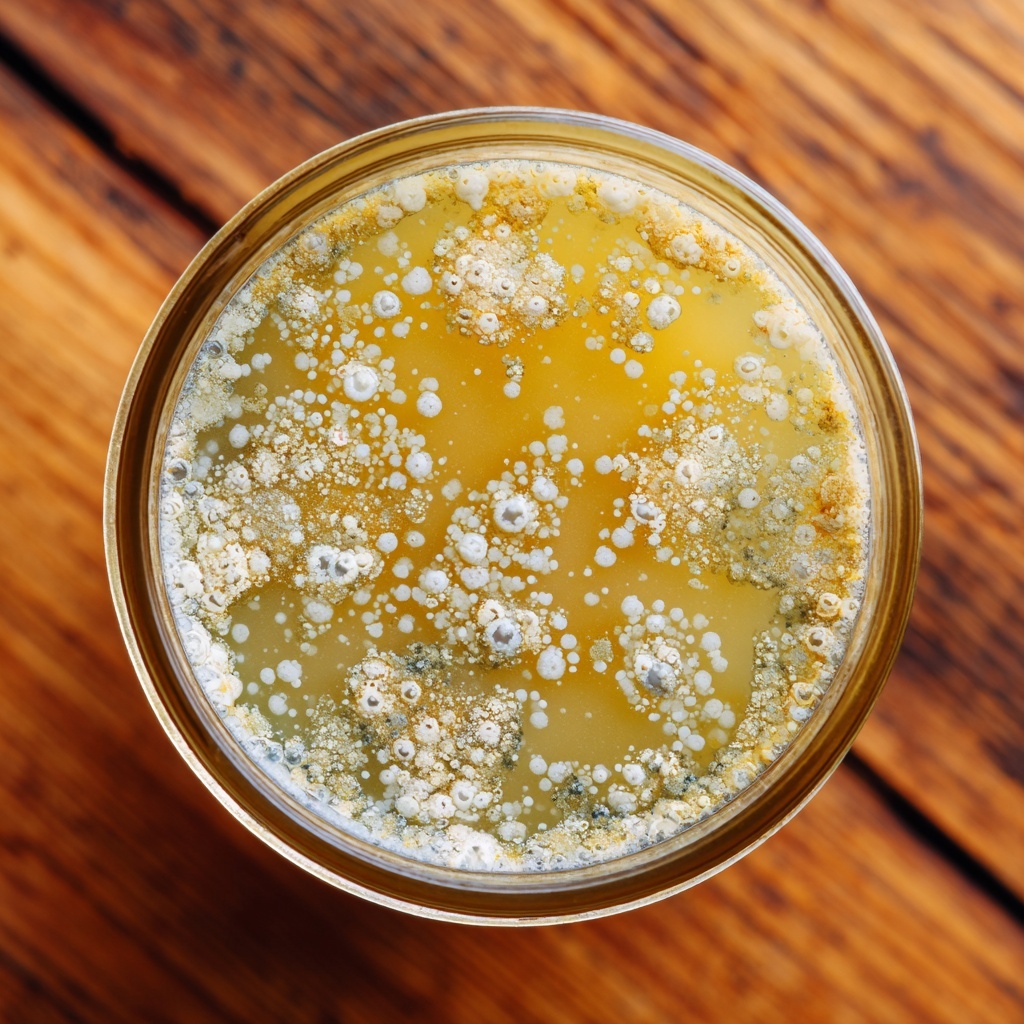
A bad ferment has a very different scent. Rotten. Putrid. Like garbage or old meat. If you open the jar and your instincts push you back, trust that. Smell is the oldest food safety tool we have.
Here are the signs that often match a truly bad smell.
- Clouds of fuzzy mold
- Pink or orange slime
- Surface yeast that looks like thick paint
- Brine that smells like decay
- A lid that explodes with pressure and sprays foul liquid
Normal Smells You Should Not Worry About
Plenty of strong smells are normal in a live ferment. They can hit hard, but they do not signal danger. These are the scents that make beginners nervous even though they are harmless.
- Sulfur from cabbage
- Sharp garlic
- Funky onion
- Yeasty beer like notes
- Brine that smells sour but clean
These make people nervous, but they are part of the process.
What Causes a Ferment to Smell Bad
A ferment only smells bad when something has gone wrong with the basics. When salt, temperature, or cleanliness drift out of line, the microbes shift and the jar starts giving off the wrong odors. These are the usual causes. According to a review on lactic acid fermentation, “Preservation by LA fermentation occurs mainly due to the synthesis of a wide range of metabolites including organic acids, fatty acids, bacteriocins, carbon dioxide, diacetyl and others.”
- Not enough salt
- Food above the brine
- Warm kitchen
- Dirty tools or poor prep
- Contaminated produce

How To Fix or Avoid Bad Smells
Most smell issues can be prevented if the basics are handled right. Keep the environment stable, keep the food submerged, and keep everything clean. These steps keep the jar on track.
- Use the right salt level for the food.
- Keep every piece under the brine.
- Skim surface yeast early if it forms.
- Keep the jar out of direct sunlight.
- Clean your tools before you use them.
- Use fresher produce when possible.
A Quick Smell Test Guide
A ferment only gives you a handful of smells, and once you learn them, you stop guessing. A good batch smells sharp, sour, and alive. A bad one smells rotten. There is no overlap.
Smells that mean your ferment is healthy
Clean sour
This is the core of every healthy ferment. Tangy, bright, never rotten.
Garlic punch
Hot and brassy. Expected in anything with garlic.
Yeasty or bready
Common in active jars. Harmless.
Strong cabbage
Normal even when loud. Heat and salt make it stronger.
Smells that mean the batch is finished
Rotten, fishy, or garbage
This is the smell of decay. A batch with this scent is done.
Sweet and rotten
A sickly fruit rot smell that shows contamination.
How to Trust Your Nose
Open the jar and take one steady smell. If it smells like food, it’s fine. If it smells like garbage, it’s not. That simple rule has saved more crocks than anything else.
When To Toss It
There are times when a ferment cannot be saved. When the wrong signs show up, the safest move is to throw it out and start again. A bad jar is not worth debating.
- If it smells rotten, it is finished. A clean sour smell is normal, but rot is not.
- If mold shows color, fuzz, or any real thickness, throw it out.
- If the brine looks oily, slick, or paint like, the batch is spoiled.
- If you doubt it even a little, start a new jar.
Final Thought
Most ferments smell loud, not rotten. Once you learn the difference, you stop panicking and start enjoying the process. Ninety percent of the time, a “bad” smell is nothing but cabbage doing what cabbage does.