

Ever taken your first bite of homemade sauerkraut only to pucker from the salt? You are not alone.
Yes, you can fix sauerkraut that tastes too salty. This happens all the time, even to experienced fermenters. In most cases the batch is safe, properly fermented, and easy to correct.
Most salty sauerkraut comes from using too much salt by weight, uneven mixing, or stopping fermentation too early. The salt protects the ferment, but the tang that balances it takes a little time.
The Quick Answer
If your sauerkraut tastes too salty, it is almost always fixable. This is a common issue caused by using too much salt by weight, uneven mixing, or stopping fermentation too early. In most cases, you can correct the flavor by rinsing a portion before eating, soaking it briefly, or balancing it with mild foods.
How to Fix Salty Sauerkraut
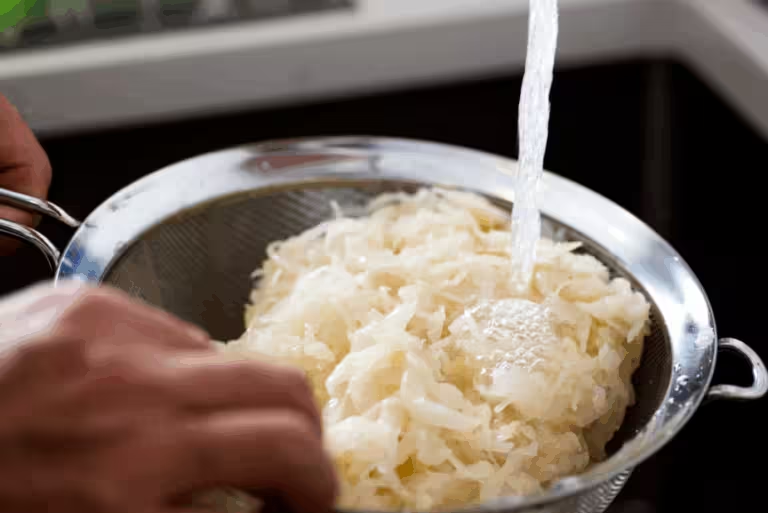
The right fix depends on whether the kraut is fully fermented or already in the fridge, but all of the methods below work and are commonly used by experienced fermenters.
1. Rinse it before serving.
Grab what you plan to eat and give it a quick rinse in cold water. It won’t remove all the salt, but it’ll mellow the sharpness instantly. Drain well before adding to your meal.
2. Soak it briefly.
If it’s still too salty, soak it in cold water for 15–30 minutes. Taste it after 10 minutes to make sure it’s where you like it. Drain and press out the excess liquid before storing.
3. Mix it into something mild.
Sauerkraut blends beautifully with unsalted foods — shredded carrots, cooked potatoes, beans, or even plain cabbage. A little mixing balances flavor without wasting your ferment.
4. Let time work for you.
Over time, lactic acid bacteria keep working and flavors even out. If it’s freshly fermented, store it another week or two in the fridge. The saltiness often mellows naturally.
Why It Happens
Salt draws water from the cabbage to create the brine that protects your ferment. Too much salt can slow the good bacteria down and overpower the flavor before the tang develops. Too little time in the jar can leave that salty bite up front before it smooths out.
If you’re new to fermenting, my guide Fermenting Food at Home: The Ultimate Beginner’s Guide walks through salt ratios, jar prep, and fermentation timing in simple, foolproof steps.
This is why traditional fermenters always mixed the cabbage by hand until enough juice was released to fully submerge it.
How to Prevent It Next Time
Most salty sauerkraut problems disappear when salt is measured by weight and fermentation is allowed to fully finish.
- Use the right ratio: 2% salt by weight (20 grams per kilo of cabbage).
- Mix evenly: Massage the cabbage and salt until a puddle of brine forms at the bottom.
- Taste early: Once it starts fermenting, taste after a few days — before it goes too far.
- Record your batch: Write down how much salt you used and how it turned out. Over time, you’ll find your sweet spot.
If you ever need a little confidence booster or just want to double-check your process against the official standards, see the Sauerkraut guide from the National Center for Home Food Preservation. It outlines safe, time-tested methods that line up beautifully with traditional old-school fermenting.

Remember, a little patience and observation are the true secrets of fermentation. Keep notes, taste often, and let time do the work — the old-school way.
FAQ
Is sauerkraut that tastes too salty ruined?
No. Sauerkraut that tastes too salty is usually still safe and properly fermented. Too much salt affects flavor, not safety, and most batches can be corrected without throwing them away.
Why does my sauerkraut taste too salty?
The most common cause is using too much salt by weight or mismeasuring coarse versus fine salt. Packing cabbage too tightly can also concentrate salt in the finished kraut. A 2 percent salt ratio by weight is the usual target.
Can you rinse sauerkraut to remove salt?
Yes, but only after fermentation is complete. Rinsing an active ferment can weaken beneficial bacteria. Once fully fermented, a light rinse can reduce surface salt without ruining the kraut.
Will sauerkraut get less salty as it ferments?
Sometimes. As lactic acid develops, sourness increases and balances the salt. The salt level does not disappear, but the flavor often mellows with time and cold storage.