
Pickling vs fermenting is one of the most confused topics in home food preservation. The words get used interchangeably, but they describe two very different processes. One relies on added acid to stop change. The other relies on living bacteria to guide change. Once you understand that difference, a lot of common ferment fears and mistakes disappear.
Pickled
Pickled foods are preserved by adding acid, usually vinegar. The acidity is immediate and stops change right away. The food itself does not transform. What you make on day one is what you eat weeks or months later.
Fermented
Fermented foods are preserved by salt and time. Naturally occurring bacteria consume sugars in the food and slowly produce lactic acid. The acidity develops gradually, and the food continues to change as it ferments.
The short answer
Pickling preserves food by adding vinegar to make it acidic immediately. Fermenting preserves food by using salt and time so naturally present bacteria create their own acid. Pickles are fast and stable. Ferments are slow and alive.
That single distinction affects flavor, nutrition, safety, and how the food behaves over time.
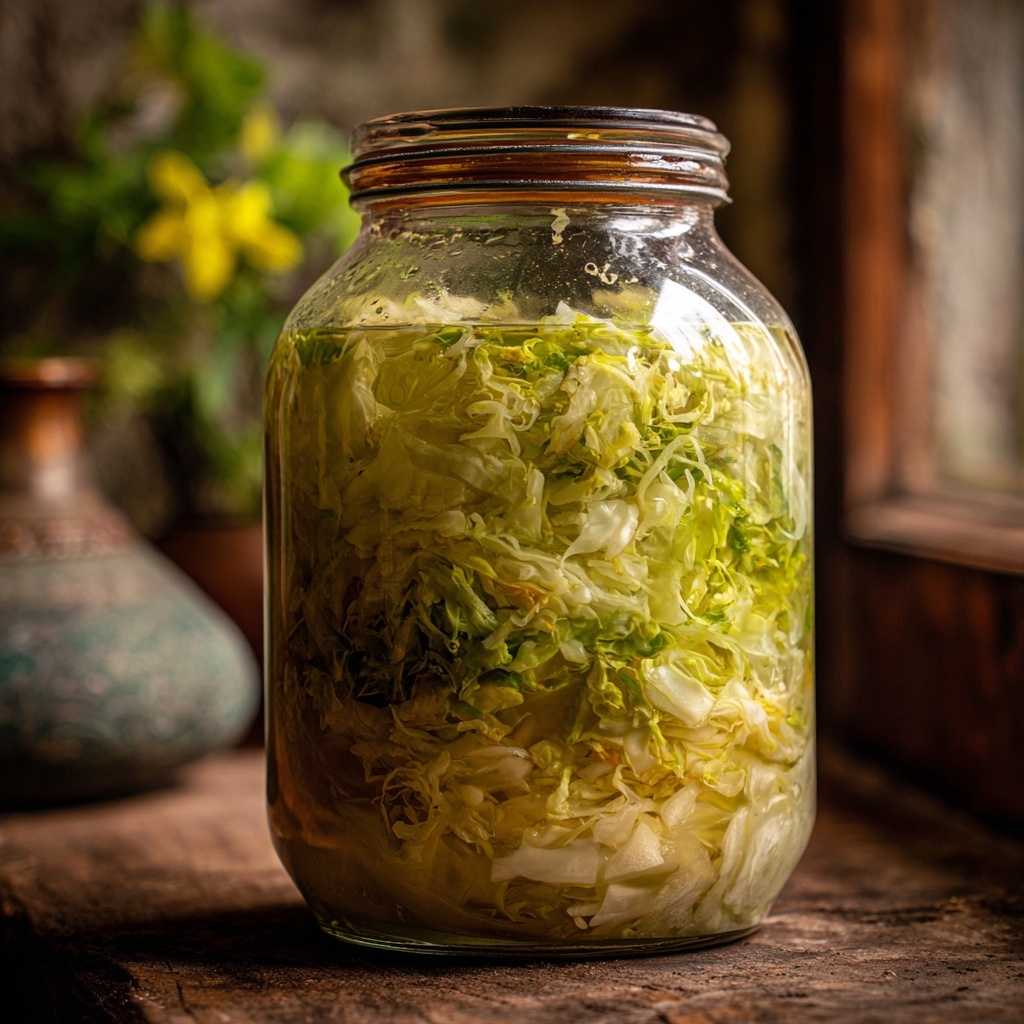
What pickling really is
Pickling is preservation by added acid. Vinegar is poured over vegetables to drop the pH right away so harmful bacteria cannot grow. Sugar and spices are often added, and heat is commonly used through boiling brine or canning.
The vegetables themselves are not changing. They are being preserved in their current state. That is why pickles taste sharp and consistent from the first bite to the last. What you make on day one is what you eat months later.
This method became popular once vinegar could be produced cheaply and reliably. It is efficient, predictable, and ideal for shelf stable food.

What fermenting actually is
Fermenting is biological preservation. Salt pulls water and sugars out of vegetables and creates an environment where lactic acid bacteria thrive. Those bacteria consume sugars and slowly produce lactic acid, lowering the pH from the inside out.
No vinegar is added. No heat is used. The food transforms over time.
Flavor deepens. Texture evolves. Aromas develop. A ferment on day three is not the same food as that same jar on day fourteen. This is why fermented foods taste layered and savory instead of just sour.
When left raw and unpasteurized, fermented foods also retain living cultures that support digestion. That benefit disappears if the food is heated after fermentation.
Why people confuse pickling and fermenting
Most people are introduced to sour vegetables through pickles, not ferments. Grocery store pickles dominate the market, and nearly all of them are vinegar based. Because they taste sour, people assume they are fermented.
To make things worse, labels often use the word fermented loosely for marketing. The ingredient list tells the truth. Vinegar means pickled. Salt and vegetables alone means fermented.
How they differ in practice
Pickling stops change as quickly as possible. Fermenting allows controlled change to happen.
Pickles are usually ready within hours or days. Ferments take days or weeks. Pickles taste bright and sharp. Ferments taste tangy, savory, and complex. Pickles are shelf stable when canned. Ferments are usually refrigerated once finished.
Neither is better in all situations. They simply serve different purposes.
When to pickle and when to ferment
Pickling makes sense when you need speed and certainty. Quick pickled onions, refrigerator vegetables, and shelf stable jars are perfect uses for vinegar. If you need something ready today or you want identical results every time, pickling wins.
Fermenting makes sense when flavor and tradition matter. Sauerkraut, fermented garlic, real dill pickles, and most old world vegetable preparations benefit from time. These foods improve as they sit instead of just staying the same.
Cucumbers show the difference clearly. Vinegar cucumbers stay crisp and sour but never develop depth. Fermented cucumbers start mild, then tangy, then deeply savory as time passes. They are different foods, not substitutes.
Safety and common fears
Both methods are safe when done correctly, but the risks are different.
Pickling depends on correct vinegar strength and proper canning technique. Weak vinegar or poor sealing can cause serious problems.
Fermenting depends on salt ratio and keeping vegetables submerged. When something goes wrong, it usually announces itself clearly through smell or visible mold long before it becomes unsafe.
Fermentation is slower, but it is also forgiving when the fundamentals are respected.
The bottom line
Pickling and fermenting are not variations of the same thing. Pickling uses acid to stop change. Fermenting uses bacteria to guide change.
If you want fast, sharp, and shelf stable, pickle it. If you want depth, tradition, and living food, ferment it.
Once you understand that, you will never confuse the two again.
FAQ
Are all pickles fermented
No. Most pickles are preserved with vinegar and are not fermented at all. Only pickles made with salt, water, and time are fermented. If vinegar appears in the ingredients, fermentation did not happen.
Can food be both pickled and fermented
Not in a meaningful way. Once vinegar is added, fermentation stops. Some foods are fermented first and then preserved in vinegar later, but at that point they are no longer living ferments.
Which is healthier, pickled or fermented
Fermented foods offer benefits that pickled foods do not, especially when eaten raw and unpasteurized. Pickled foods can still be nutritious, but they do not contain living cultures unless made without heat and without vinegar.
How can I tell if a store bought product is fermented
Check the ingredient list and the storage location. Fermented foods list only vegetables, salt, and sometimes water, and they are usually refrigerated. Vinegar and shelf stable jars indicate pickling, not fermentation.