
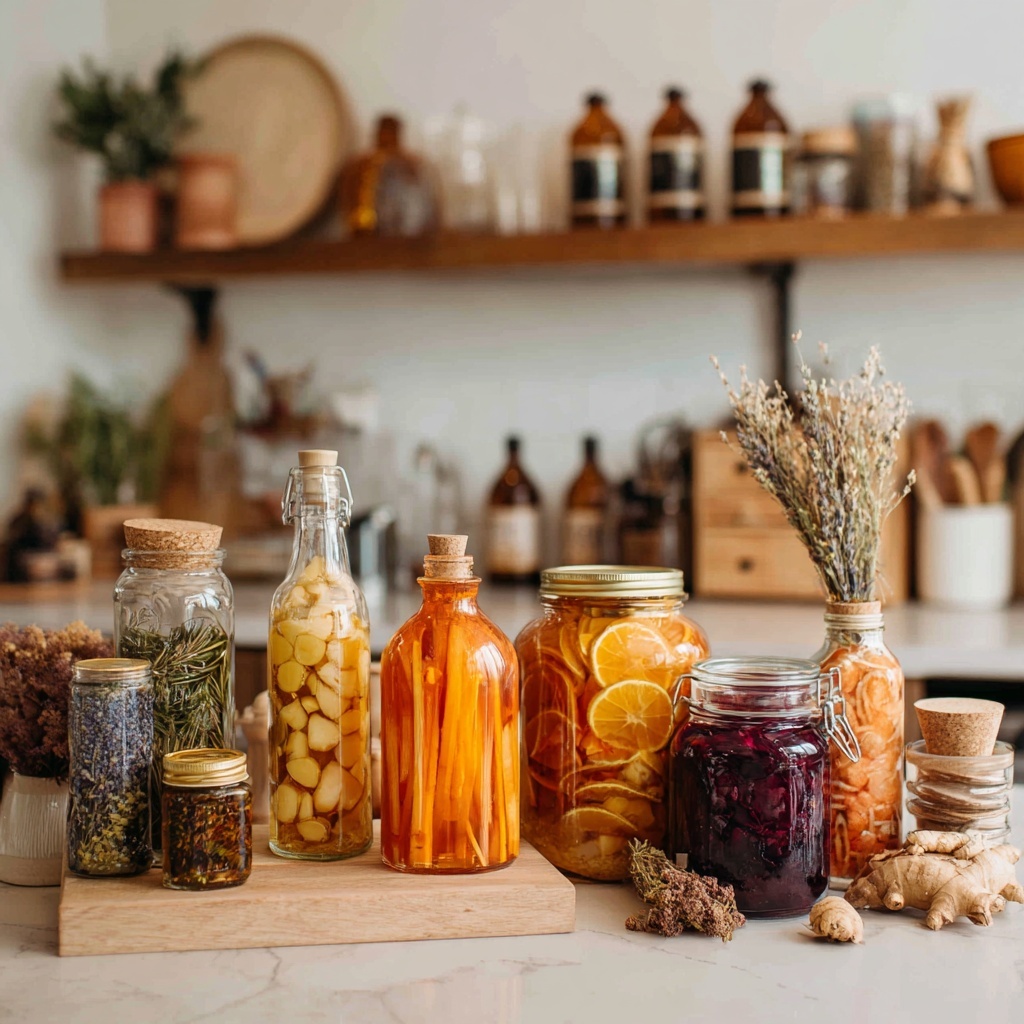
When cold and flu season starts moving through the community, most people reach for pills and syrups. Old timers reached for jars. Before refrigeration and modern medicine, families relied on fermentation to keep food alive and bodies strong all winter. A good ferment did not just preserve vegetables. It preserved health. The seven remedies below were staples in kitchens across the world long before anyone used the word probiotic. These fermented remedies are simple, powerful, and still work just as well today.

1. Honey Fermented Garlic
Ingredients
- Fresh Garlic Cloves
- Raw Honey
Recipe
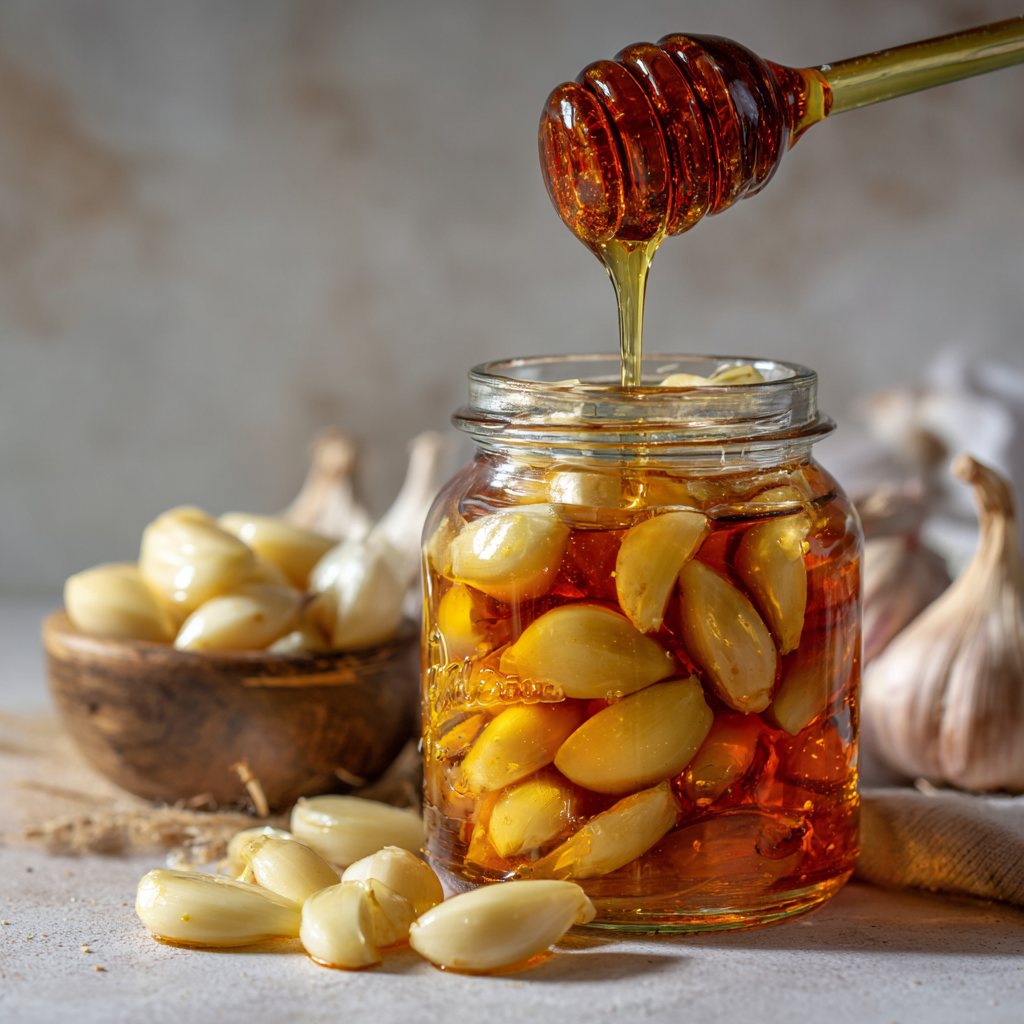
Lightly crush and peel the garlic. Place the cloves in a jar and cover completely with raw honey. Stir daily for about a week until you see light bubbling. Store in a cool dark place for two to three weeks before using.
Usage
Eat one clove or a spoonful of the honey at the first sign of a cold or sore throat. For prevention, take a spoonful every few days through winter. If your garlic ever turns blue, don’t be scared, here is why it happens and when it is still safe.
The Science
Garlic contains allicin, a compound known for antimicrobial and immune-supporting effects, while raw honey adds enzymes and beneficial bacteria that feed gut health. Check out this article for more about the Antimicrobial properties of allicin from garlic – PubMed.
2. Fire Cider

Fire cider is one of the most trusted fermented cold and flu remedies for a reason.
Ingredients
- Raw apple cider vinegar
- Onion
- Garlic
- Horseradish
- Ginger
- Lemon
- Chili Pepper
- Honey.
Recipe
Rough chop the onion, garlic, horseradish, and ginger. Place everything in a jar and cover with apple cider vinegar so the solids stay submerged. Let it steep for three to four weeks, shaking once a day. Strain and sweeten with honey to taste.
Usage
Take one tablespoon straight or diluted in warm water each day during cold months. If symptoms start, take a shot in the morning and again in the evening until you feel better.
The Science
The ingredients combine antimicrobial and anti-inflammatory compounds that support the immune system and help clear sinuses. Vinegar extracts those compounds and creates an acidic environment that discourages harmful microbes.
3. Fermented Ginger Honey
Ingredients
- Fresh ginger
- Raw honey
Recipe
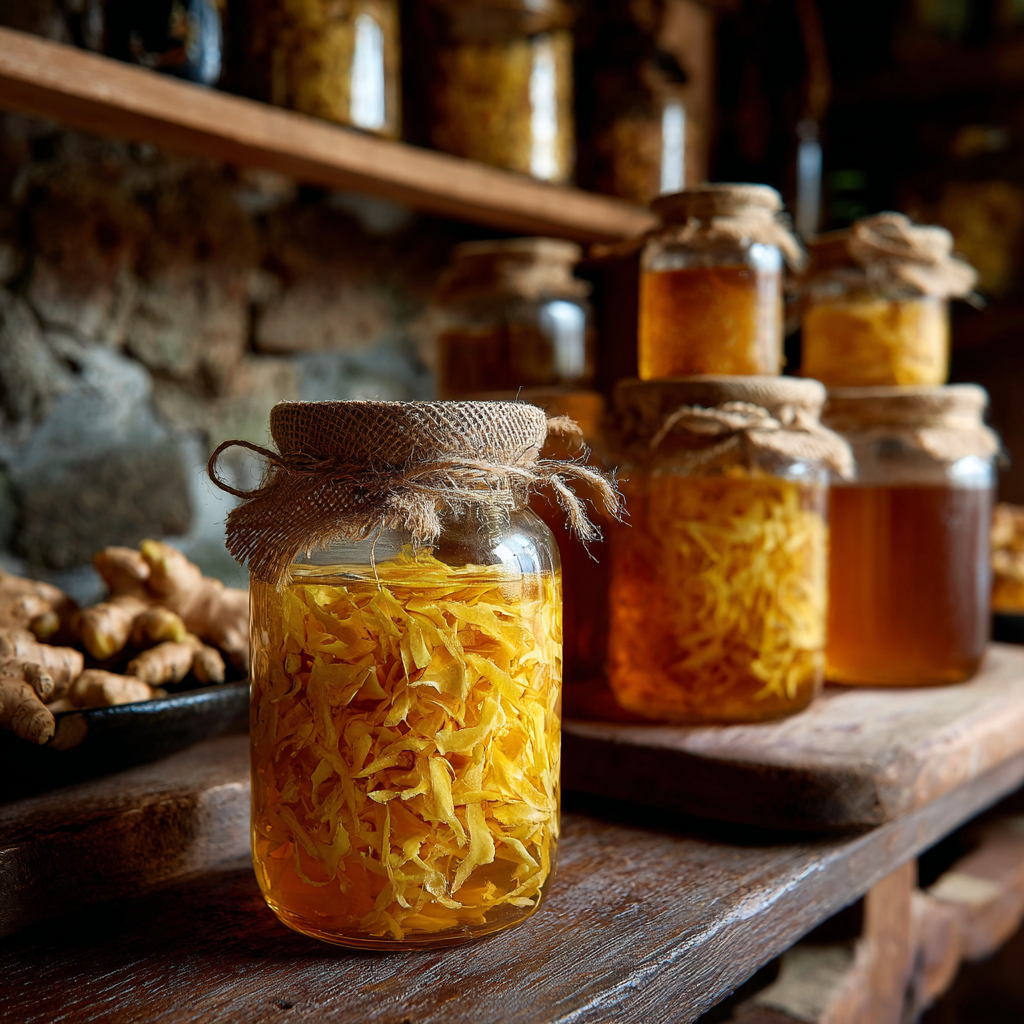
Peel and thinly slice the ginger, then place it in a clean jar. Pour in raw honey until the ginger is fully covered. Stir or gently invert the jar once a day for about a week until you see light bubbling. Store in a cool dark place or refrigerate once active.
Usage
Take a spoonful straight, or stir it into hot water or tea for sore throats, coughs, and upset stomachs. It’s gentle enough for daily use.
The Science
Ginger contains gingerol, a natural anti inflammatory compound that helps with sore throats, congestion, and upset stomachs. Fermenting ginger in raw honey creates enzymes and mild probiotics that support digestion and immune balance.
4. Fermented Lemon
Ingredients
- Lemons
- Sea salt
- Filtered water
Recipe
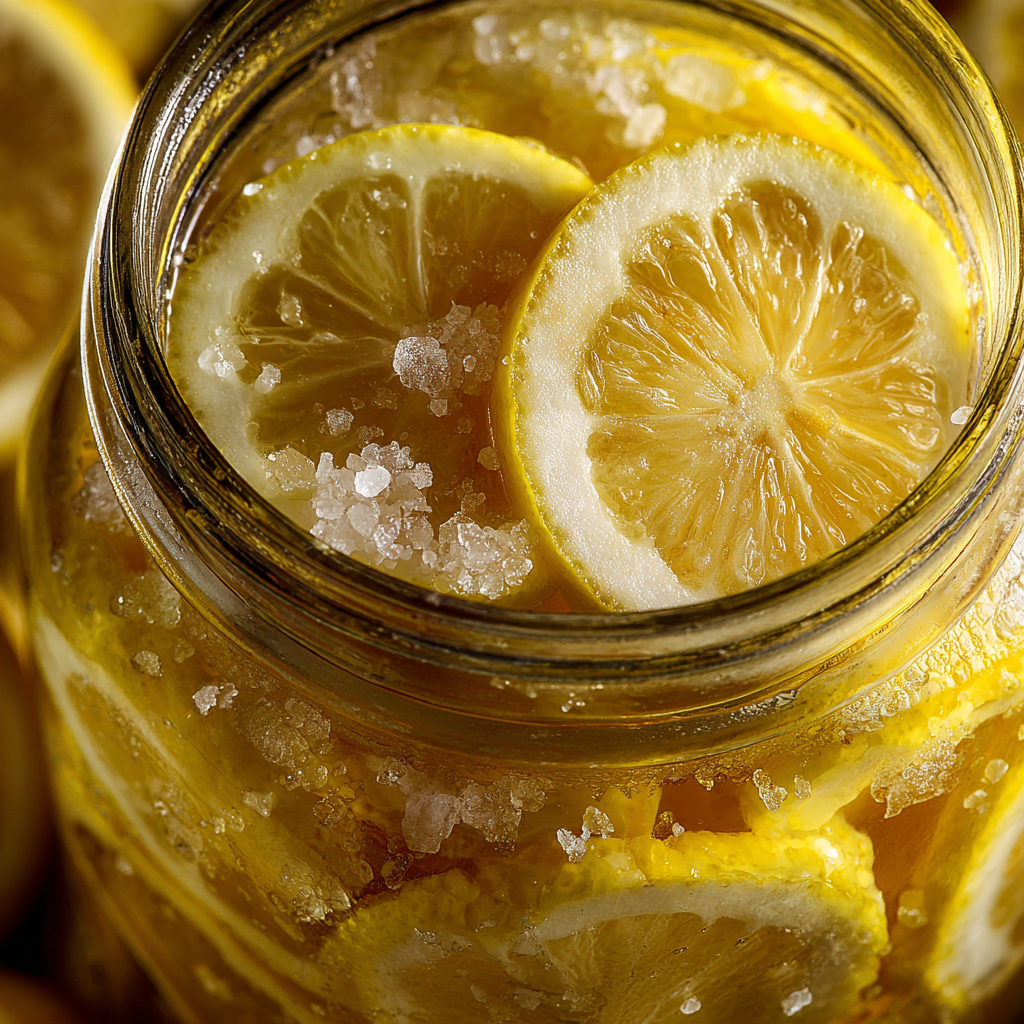
Slice lemons thin and remove the seeds. Layer the slices in a jar with a sprinkle of salt between each layer. Press until juices release. Add filtered water until everything is covered. Keep slices submerged and loosely cover the jar. Ferment two to three weeks until tangy, then refrigerate.
Usage
Add one or two slices to warm water or tea in the morning. The brine can also be used in dressings and marinades.
The Science
Ginger contains gingerol, an anti inflammatory compound that supports the throat and digestion. Fermenting it in honey adds mild probiotics and beneficial enzymes.
5. Beet Kvass
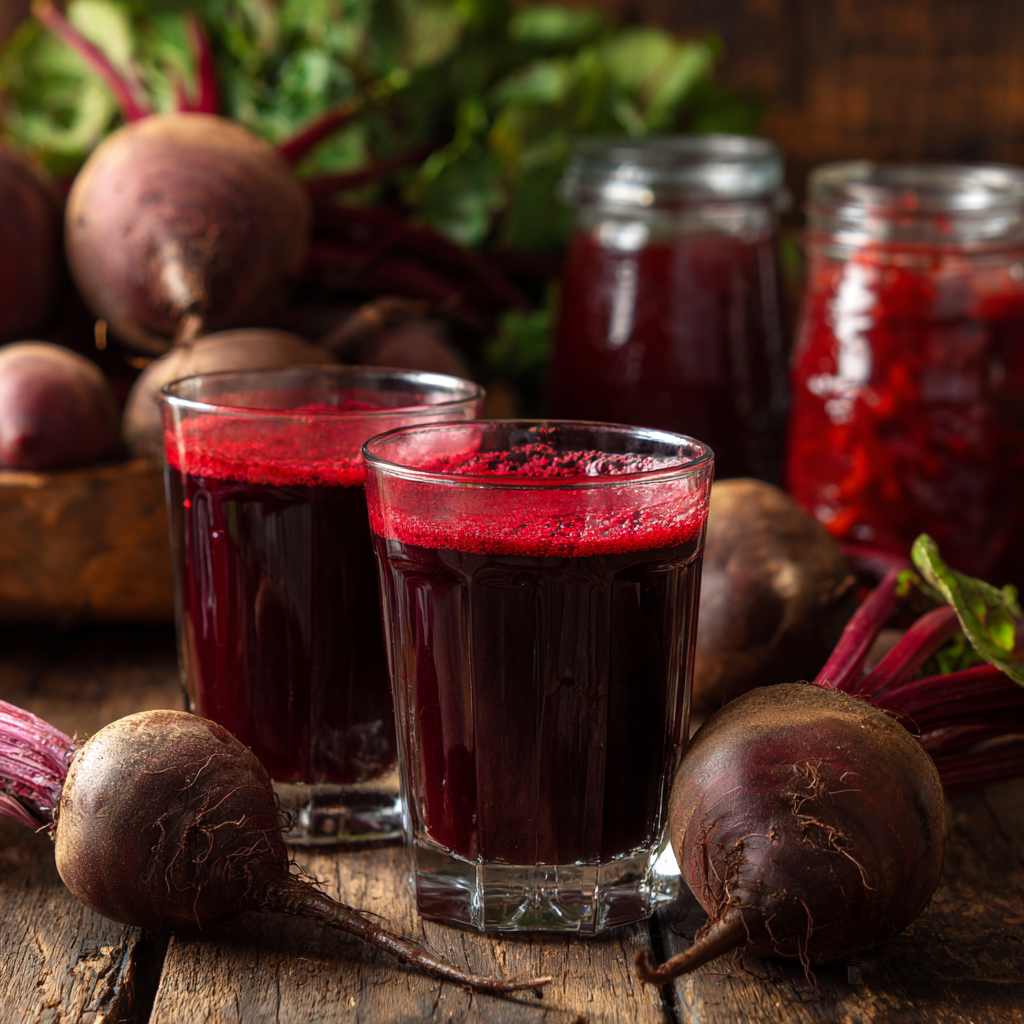
Ingredients
- Beets
- Sea salt
- Filtered water
Recipe
Scrub and chop beets into chunks. Leave the skin on. Place the beets in a jar, add salt, and cover with filtered water. Loosely cover and ferment for three to five days. When the liquid is deep red and tastes tangy, strain and refrigerate.
Usage
Drink two to four ounces once or twice per day. It is earthy and salty and best served cold. You will like the taste!
The Science
Beets are rich in natural nitrates, which the body converts into nitric oxide. That helps circulation, oxygen flow, and overall energy. This isn’t folklore. It’s well documented in clinical research, including NIH studies showing how dietary nitrates improve blood flow and support cardiovascular function.
6. Fermented Carrot Ginger Sticks

Ingredients
- Carrots
- Fresh ginger
- Sea salt
- Filtered water
Recipe
Peel and slice carrots into sticks. Add sliced ginger to the jar with the carrots. Make a brine with one tablespoon salt per two cups of water. Pour the brine over everything until submerged. Cover loosely and ferment five to seven days. Refrigerate when pleasantly sour.
Usage
Eat a few sticks daily as a probiotic snack. They go well with meat, salads, or straight from the jar.
The Science
Carrots carry vitamin A and pair well with ginger’s anti inflammatory compounds. Fermentation builds lactic acid bacteria that support digestion and immune balance.
7. Sauerkraut or Kimchi
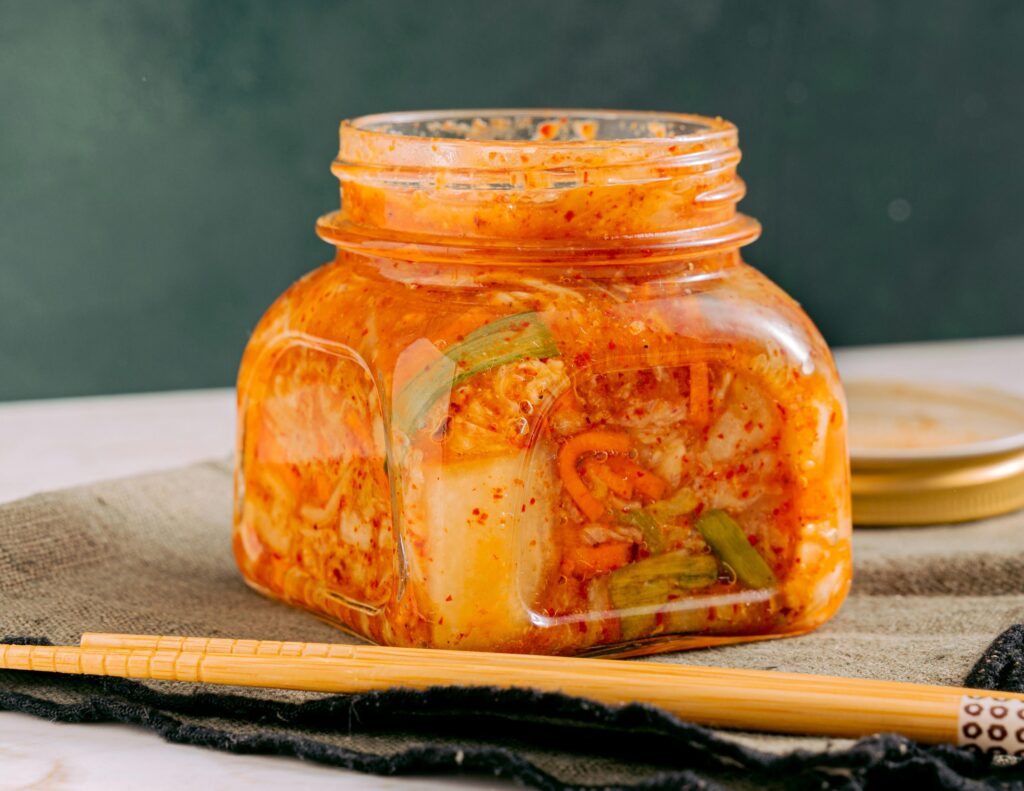
Ingredients
- Cabbage
- Sea salt
- Optional add-ins
- Garlic
- Ginger
- Chili flakes
- Green onion.
Recipe
Shred the cabbage and place it in a bowl. Add salt, about one tablespoon per two pounds of cabbage. Massage until the cabbage releases enough liquid to form its own brine. Pack it into a jar or crock so the liquid rises above the surface. Weigh it down with a leaf or a fermentation weight. Cover loosely and ferment one to three weeks. Refrigerate once tangy.
Usage
Eat a small serving with meals each day. Increase the amount if you feel run down.
The Science
Fermented cabbage produces lactic acid bacteria, vitamin C, and digestive enzymes. Regular intake supports the immune system and reduces inflammation.
Why These Fermented Remedies Matter in Winter
I keep all seven of these in my winter rotation the same way my grandparents and great grandparents did. These ferments are not quick fixes. They are slow, living foods that build strength from the inside out. When you take a spoonful of garlic honey or sip beet kvass, you are doing what families did for centuries. Trusting time, salt, and nature. That patience is the real medicine. Keep your jars fed, your lids loose, and your pantry stocked. When sickness makes its rounds, you will already be ready.
Keeping fermented cold and flu remedies on hand was standard practice in every old world kitchen. If you are new to all this, start with my beginners guide to fermenting.