
Can you get botulism from fermented foods is one of the most searched and most feared questions in home fermentation. People hear the word botulism and immediately think death poison and invisible danger. That fear causes more good ferments to be dumped than almost anything else.
The short answer is simple.
No. Botulism is not a risk in properly fermented foods.
Botulism bacteria cannot survive in the acidic, salty, oxygen-poor environment created by lactic acid fermentation.
The long answer matters because understanding why removes the fear permanently instead of replacing it with superstition. This applies to traditional lactic acid vegetable ferments like sauerkraut, kimchi, and pickles made with salt and time, not improperly canned foods or sealed low-acid products.
What Botulism Actually Is
Botulism is caused by a toxin produced by a specific bacteria called Clostridium botulinum. The bacteria itself is common in soil and the environment. That alone does not make it dangerous. The danger only exists when it produces toxin.
That toxin is produced only under very specific conditions. The environment must be low acid low salt oxygen free and warm. There must also be little to no competition from other microbes. All of those conditions must exist together.
Traditional fermentation breaks those conditions almost immediately.
Why Fermented Foods Do Not Support Botulism
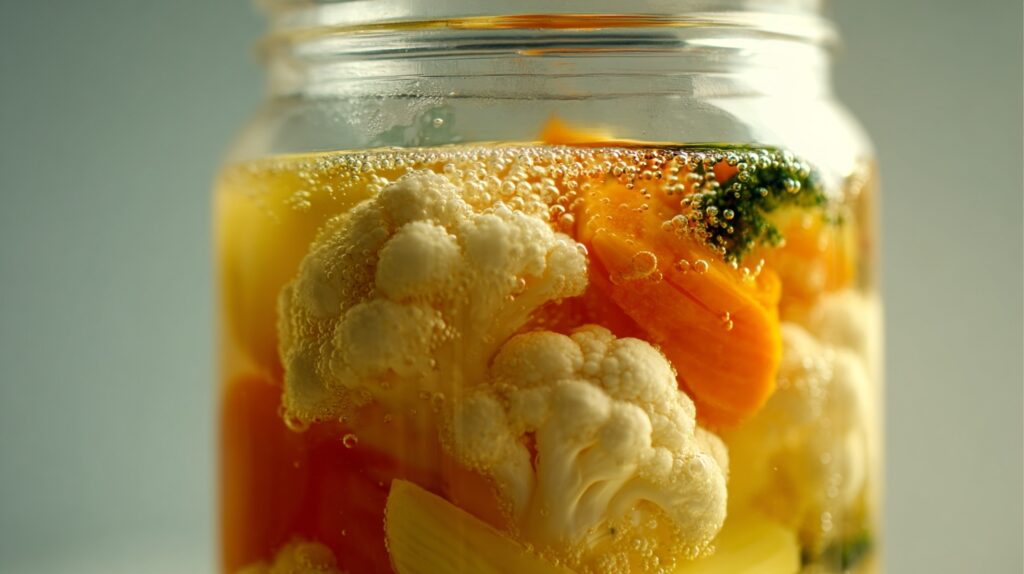
Vegetable fermentation starts with salt. Salt pulls water out of the vegetables and creates a brine. That brine allows beneficial lactic acid bacteria to multiply quickly.
As those bacteria grow they produce lactic acid. The acidity rises early and continues to increase. Once the pH drops Clostridium botulinum cannot produce toxin. Acid stops it.
This same acid driven process is why surface issues like Kahm yeast are not dangerous and do not make a ferment unsafe even though they look alarming to beginners.
According to Penn State Extension, controlling acidity is one of the primary ways botulism is prevented in food preservation. They explain that Clostridium botulinum spores cannot germinate or produce toxin in foods with a pH of 4.6 or lower. This is the same acidity threshold used in food safety guidelines for canning and preservation.
Fermentation is also not sterile. It is active and competitive. Beneficial bacteria dominate the environment and crowd out dangerous organisms. This is why fermentation has worked safely for thousands of years without modern science.
This is not folk wisdom. This is basic microbiology.
Why People Confuse Fermentation With Botulism Risk
Most food related botulism cases come from improper canning not fermentation. Canning creates an oxygen free environment without creating acid unless acid is added intentionally. If low acid foods are canned incorrectly botulinum toxin can form.
Fermentation works in the opposite direction. It creates acid naturally before sealing ever matters. A living ferment and a sealed jar of canned food are not the same process even if they look similar.
This confusion is similar to how people often mix up pickling vs fermenting even though the safety mechanisms behind them are completely different.
Garlic in oil is another common source of confusion. Garlic in oil is not fermented. It is raw food submerged in oil. No acid is created and no salt barrier exists. That is why it carries real risk when stored improperly. Those warnings do not apply to fermented vegetables.
Does Lack of Oxygen Make Fermentation Dangerous
Many people worry that airlocks or sealed jars create oxygen free conditions that allow botulism. This misunderstands fermentation. Fermentation produces acid and carbon dioxide together. The absence of oxygen does not matter once acidity is established.
Botulism does not appear simply because oxygen is absent. It appears only when all risk conditions align. Proper fermentation prevents that alignment.
Concerns about sealed jars also show up when people see visual changes like cloudy brine during fermentation which are normal and not a safety issue.
When Botulism Risk Actually Exists
Botulism risk increases when people skip salt use too little salt or attempt to ferment foods that are not appropriate for beginners. Risk also increases when preservation methods are mixed such as sealing raw foods in oil or water without acidification.
This is why understanding how much salt to use for fermenting vegetables matters more than almost any other variable.
Vegetable fermentation done with salt and time is not dangerous. Improvised shortcuts and mixed methods are where problems begin.
Meat and fish fermentation deserves a separate mention. Those traditions exist and can be done safely but they require strict salt levels temperature control and experience. They are not comparable to fermenting cabbage or cucumbers at home.
How to Know Your Ferment Is Safe
A healthy ferment smells sour tangy or pleasantly funky. It may be cloudy. It may bubble. These are normal signs of fermentation and are covered in more detail in what a normal ferment should smell like.
A ferment that smells rotten putrid or like decay should be discarded. Visible fuzzy mold that is not skimmed early is also a reason to throw food away. These issues are spoilage not botulism.
Botulism does not announce itself with bubbles or cloudiness. It is prevented long before those signs ever appear through rising acidity during fermentation.
For those who want an objective confirmation in addition to smell and experience, acidity can be verified directly. Clostridium botulinum cannot produce toxin in foods with a pH of 4.6 or lower, and properly fermented vegetables naturally drop below this level. Narrow range pH test strips can be used to confirm that a ferment has reached safe acidity once fermentation is underway. Testing is not required when fermentation is done correctly, but it can help beginners build confidence while learning.
The Bottom Line
You cannot get botulism from properly fermented vegetables. Salted vegetables fermenting in their own brine become acidic quickly, creating conditions where botulism cannot survive. The fear comes from confusing fermentation with improper canning and sealed low-acid foods.
Fermentation is one of the safest food preservation methods humans have ever used. Understanding how it works removes the fear completely.
If you are fermenting vegetables with salt and patience, you are doing exactly what people have done safely for generations.
FAQ
Can fermented foods ever cause botulism
Answer clearly that properly fermented vegetables do not cause botulism and that cases are linked to improper canning or non fermented oil storage. Keep it firm.
Does botulism grow in sealed fermentation jars or airlocks
Answer that acidity prevents toxin production and that oxygen absence alone does not create botulism. This directly addresses airlock fear.
What pH level prevents botulism in fermented foods
Answer with the 4.6 threshold and briefly explain that fermentation drops below this naturally when done correctly. This reinforces science and EEAT.
What foods are actually risky for botulism at home
Answer with improper canning, garlic in oil, and raw low acid foods sealed without salt or acid. This redirects fear away from fermentation.