
Are all pickles fermented? Most people assume all pickles are fermented, but that has never been true. Today, the vast majority of store pickles are vinegar pickles, not fermented ones. Only pickles made in a salt brine and soured by natural lactic acid bacteria are real fermented pickles. Here’s how to tell the difference, which brands actually are fermented, and how to store them safely.
The Quick Answer
No, not all pickles are fermented. Most grocery store pickles are vinegar-based and heat processed. Only brined pickles that rely on natural fermentation count as true fermented pickles.
Most people get confused because both kinds taste sour, but the source of that sourness is completely different. Fermented pickles sour slowly as living lactic acid bacteria break down the natural sugars in cucumbers and create lactic acid. That process changes the flavor, the texture, and even the chemistry of the brine. Vinegar pickles skip that entire biological step. They are simply cucumbers soaked in already acidic vinegar, then sealed and often heat processed. They taste good, but they never go through the living, microbial transformation that defines real fermentation.
How to Tell If a Pickle Is Fermented
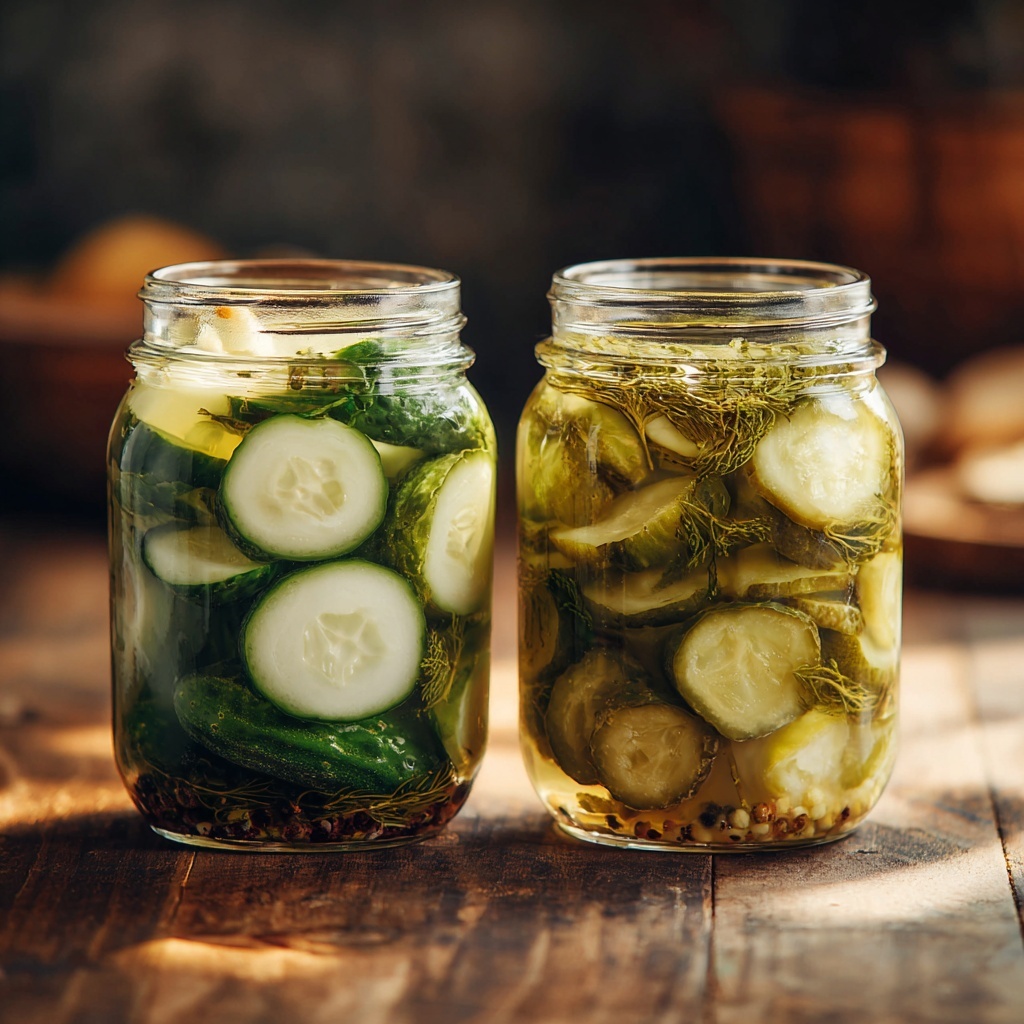
Look for these clues:
- It is refrigerated in the store
- Cloudy brine
- Ingredients list: water, salt, spices — no vinegar
- Unpasteurized or probiotic labeling
- Short ingredient list
- No sugar
- Often says “raw” or “naturally fermented”
If it is sitting warm on a shelf, it is almost certainly vinegar-based.
Which One Is Healthier
Fermented pickles have the edge if you are talking about health. They carry live lactic acid bacteria and the acids and by products those microbes make. One review in the National Library of Medicine notes that “LAB driven fermentations often yield by products with bioactivity and a diverse range of health promoting effects.” That is what you are eating when you bite into a true fermented pickle. You get help for digestion, support for the gut, and a food that has been linked to better weight control and metabolic health in several studies.
Vinegar pickles are still a good food. They are low in calories, high in flavor, and the vinegar itself has some evidence behind it for blood sugar control and heart health when used as part of a sane diet. What they do not give you is the living culture and full ferment chemistry that comes from a natural brine.
So if you want the strongest gut and immune bonus, reach for fermented pickles first. If you just want something crunchy and sour on the plate, vinegar pickles are fine. Eat both if you like them, just know they do different jobs.
Where to Buy Real Fermented Cucumbers
Anywhere the pickles are sold cold, you have a chance of finding the real ones.
- Whole Foods
- Sprouts
- Natural food stores
- Farmer’s markets
- Online sellers like Olive My Pickle
The best option is make your own. If that’s new to you, start with Fermenting Food at Home: The Ultimate Beginner’s Guide.
Store Brands That Are Truly Fermented
These brands rely on natural fermentation. They stay refrigerated because they are alive and unpasteurized. These jars usually contain water, salt, spices, and cucumbers. No vinegar. No sugar. No pasteurization. Vinegar pickles are usually shelf-stable and processed with heat instead of fermentation.
| Fermented Pickles | Vinegar Pickles |
|---|---|
| Bubbies | Vlasic |
| Wildbrine | Mt. Olive |
| Olive My Pickle | Heinz |
| Farmhouse Culture | Claussen* |
| Eden Foods Traditional Pickles | Great Value |
| Zingerman’s | All Kosher dill varieties |
*Note on Claussen:
Many people assume Claussen is fermented because it’s refrigerated and crunchy. It isn’t. Claussen uses vinegar for the sourness. It is not fermented.
Are Bread and Butter Pickles Fermented
No. Bread and butter pickles are sweet vinegar pickles. Always shelf-stable. Never fermented. They get their sweetness from added sugar, not fermentation. Even with the sugar, the preserving agent is still vinegar, so they never go through a natural ferment.
Do Fermented Pickles Need Refrigeration
Fermented pickles do not need refrigeration during active fermentation. They can sit at room temperature the entire time they are fermenting. That is the traditional method and it is completely safe as long as the brine and salt levels are correct.
The fridge is only used after they reach the level of sourness you want. Refrigeration slows the ferment down so they don’t turn too soft or too sour over time. For proper brine safety, see my post How Much Salt for Fermenting Vegetables.
Do Vinegar Pickles Need Refrigeration
Yes. Vinegar pickles must stay refrigerated from the start unless they are properly water bath canned. Store bought vinegar pickles are usually shelf stable until you open them, because they have already been heat processed. Some brands, like Claussen, are sold refrigerated, so they should stay refrigerated at home. Always check the labels, and when in doubt, put them in the refrigerator.
Why Fermented Pickles Taste Different
Fermented pickles are sour because of lactic acid, not vinegar. The flavor is deeper, more complex, and naturally crisp. They develop tiny bubbles and cloudiness — signs of good fermentation.
Vinegar pickles taste sharp and bright because the sourness comes from added acid, not microbial action.
Which Tastes Better
Fermented pickles and vinegar pickles don’t taste anything alike, so it comes down to what you want on the plate. Fermented pickles are sour because of lactic acid, not vinegar. The flavor is deeper, rounder, and more old world. You get a natural tang, a little funk, and a crunch that develops slowly as the brine works on the cucumbers.
Vinegar pickles taste sharp and bright. The sourness hits fast and clean because it comes from added vinegar instead of fermentation. They’re predictable, consistent, and always taste the same from jar to jar.
Neither one is “better.” They’re two different traditions built for two different moods. Sometimes you want the depth of a fermented pickle. Sometimes you want the punch of a vinegar one.
How to Make Fermented Pickles
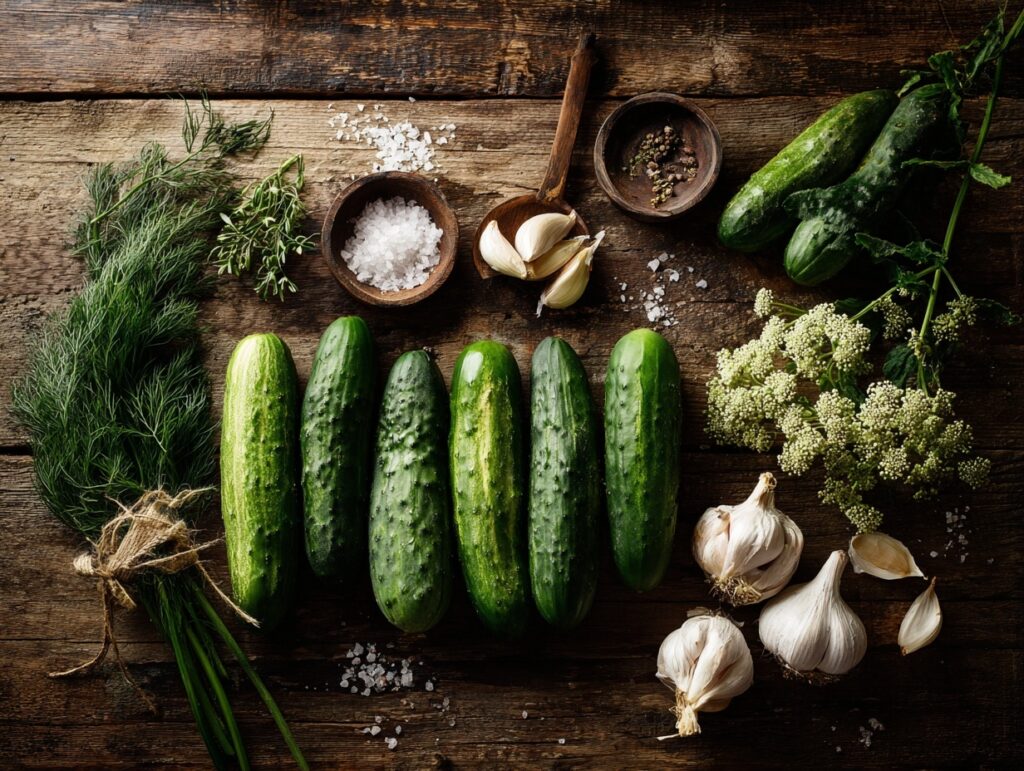
Ingredients
- Fresh cucumbers
- Clean water
- Salt
- Garlic or spices if you want them
- A grape leaf or oak leaf if you want extra crunch
- Nothing else
Start with a simple salt brine. Do not add vinegar or anything acidic. Pack your cucumbers into a jar and pour the brine over them until they are fully covered. As they sit at room temperature, lactic acid bacteria begin breaking down the natural sugars in the cucumbers. This is what makes the brine turn cloudy. The sourness develops slowly, and the flavor deepens over several days as the bacteria do the real work. Keep the jar in a cool spot while it ferments, then move it to the refrigerator once it reaches the tang you want.

FAQ
Are dill pickles fermented
Sometimes, but not usually. Most commercial dill pickles are vinegar based.
Are kosher pickles fermented
Not by default. “Kosher” refers to the seasoning style, not the method. Most kosher dills in stores are vinegar pickles.
Are Claussen pickles fermented
No. They are refrigerated but still made with vinegar. Not fermented.
Are Vlasic pickles fermented
No. Fully vinegar-based.
Are bread and butter pickles fermented
Never. They are sweet vinegar pickles.
Are all pickles probiotic
Only naturally fermented pickles contain probiotics. Vinegar pickles do not.