
Fermented rice water gets passed around the internet like a miracle tonic. Most people have no idea how to actually ferment it, how long it should sour, or when it has gone bad. That is why so many people end up putting rancid liquid on their skin and then wonder why they broke out, burned, or irritated their face.
The truth is simple. Fermented rice water is nothing more than lightly soured starch water. When properly fermented, it becomes mildly acidic, similar to a very weak lactic ferment. When spoiled, it becomes a breeding ground for the wrong bacteria. Knowing the difference matters.
What Fermented Rice Water Actually Is
Rice releases starch when soaked. That starch feeds beneficial microbes already on the grain. As they wake up, they create mild acids. This turns the water slightly tangy and lowers the pH. This matters because healthy adult skin is naturally slightly acidic. Dermatology guidance places normal skin pH at around 5.5, a level that helps maintain the balance of natural oils and protect the skin from harmful bacteria.
That acidity is why some people see smoother or brighter skin. It is not magic. It is chemistry.
This is the same basic fermentation process used in traditional vegetable ferments, where naturally occurring microbes consume sugars and starches and produce mild acids as a byproduct.
 Old School Tip: Old school kitchens let rice water sit until it smelled lightly sour. They trusted the nose, not the clock.
How To Make Fermented Rice Water (Simple Method)
A simple, traditional method for making fermented rice water safely. Lightly soured rice water should smell clean and tangy, not rotten. This method keeps the process controlled and prevents spoilage.
Total Time: 48 hours
-
Rinse the rice
Rinse the rice under cool water to remove dust and excess starch. This prevents off smells later.
-
Soak the rice
Add the rice to clean water and let it sit for about thirty minutes. This pulls starch into the liquid and feeds the microbes.
-
Strain the liquid
Pour the rice water through a strainer into a clean jar. You will only ferment the liquid. Cook or discard the rice.
-
Let it ferment
Cover the jar loosely and let it sit at room temperature for twenty four to forty eight hours. Stop when the smell becomes mildly sour.
-
Refrigerate
Refrigerate the jar once the rice water turns tangy. This slows fermentation and prevents spoilage.
 Take Heed: Light sourness is the goal. If the smell turns sharp or rotten, discard the batch. This is common when people ferment too long or keep the jar too warm.
How Long To Ferment Rice Water
Most kitchens only need one to two days for a proper ferment. Cooler rooms slow the process, and warmer rooms speed it up. The goal is a light, clean tang, not aggressive sourness. If you let it sit too long, the microbe balance shifts, the pH rises, and spoilage begins instead of fermentation. Do not push it past three days. When in doubt, trust the smell and stop early. A mild ferment is always safer and more stable than a strong one.
How To Tell When Fermented Rice Water Is Ready
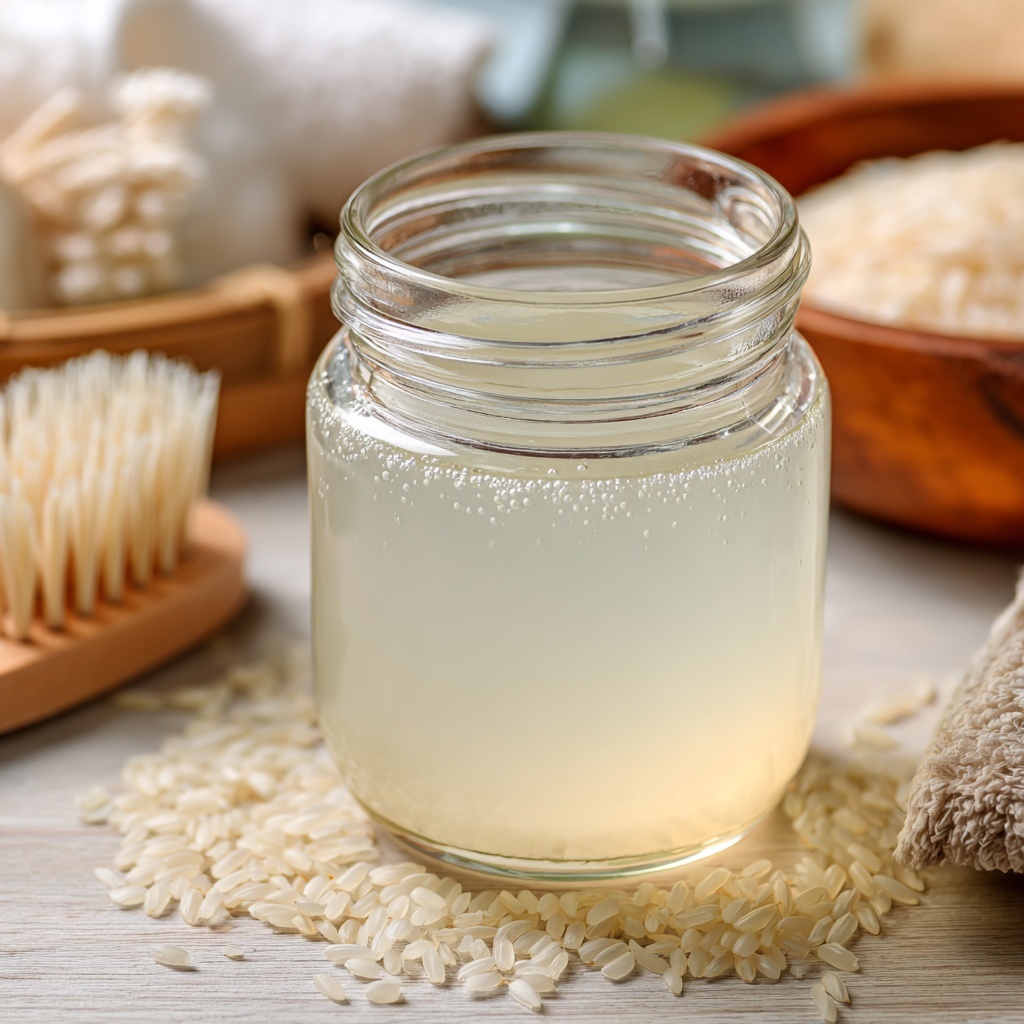
Rice water is ready when the microbes have produced enough mild acid to shift the smell and texture without tipping into spoilage. You want a clean tang that signals fermentation has started, but not the sharp odor that comes from the wrong bacteria taking over. The change is subtle but clear once you know what to look for.
When fermentation is working properly, the ready signs are consistent:
- A clean, faint sour smell
- Tiny bubbles on the surface
- Cloudy appearance without slime
- No sharp, rotten, or sulfur smell
If anything smells unpleasant or aggressive, discard it. A proper batch costs pennies and should never feel questionable.
The Danger No One Talks About: Rancid Rice Water
Rancid rice water is not a ferment. It is spoiled starch water. The microbe balance flips, pH rises, and harmful bacteria take over. This is what causes burning, breakouts, rashes, and irritation. Improper handling and storage of fermented foods increases the risk of harmful bacterial growth, which is why food safety guidance consistently stresses clean preparation and prompt refrigeration.
Smell is the most reliable indicator, and learning to recognize a clean sour scent is one of the most important skills in home fermentation.
Spoiled batches show clear warning signs:
- Smells rotten, foul, or like old garbage
- Turns thick or slimy
- Develops foam that smells bad
- Color shifts darker or streaky
Do not put rancid rice water on your skin. Dispose of it outdoors or down a drain. Refrigerate every good batch immediately.
Take Heed: Old timers judged a bad ferment by slime. Slime meant throw it out without a second thought.
How To Use Fermented Rice Water on Skin
Fermented rice water is mild, but it is still an acidic rinse. You want enough contact time for the acids to remove dull surface cells without irritating your face. Most people overuse it or leave it on too long. Keep it simple and controlled.
Use it as a short contact rinse.
- Apply it with a cotton pad.
- Let it sit for five to ten minutes.
- Rinse with lukewarm water.
- Use it two to three times per week.
More is not better. Respect the acidity and you will see a small, steady improvement over time.
Can You Use Fermented Rice Water Overnight
You can, but there is no reason to. Overnight use does not give better results, and it increases the chance of irritation, dryness, or redness. Healthy ferments are mildly acidic. On sensitive skin, that extended exposure can be too much. If you insist on leaving it overnight, only do it with a fresh batch and test it on a small area first. Never use liquid that smells even slightly off.
Does Fermented Rice Water Whiten Skin
No. It will not bleach your skin, and anyone promising dramatic whitening is selling fantasy. What fermented rice water can do is brighten a little by loosening old surface cells with its mild acids. This gives a cleaner, smoother look, but it does not change your natural skin tone. Keep your expectations grounded.
Before and After: What Results People Actually See
Most people notice changes that are subtle, not dramatic. When used correctly, fermented rice water can make the skin feel smoother and look a little clearer. The acids help remove dull surface cells, which gives a temporary brightening effect. It is similar to using a very gentle exfoliant.
Most people report the same small improvements when the batch is fresh and lightly fermented. Common results:
- Slightly smoother skin
- Mild brightening
- Reduced dullness
- Gentle exfoliation
If you expect major transformation, you will be disappointed. This is a simple traditional rinse, not a clinical treatment. Used with realistic expectations, it can make the skin look a little fresher without doing any harm.
Side Effects and When To Stop Using It
Most issues come from using spoiled rice water or leaving it on the skin for too long. When the microbe balance shifts and the liquid becomes rancid, the pH rises and the surface starches turn harsh. Your skin reacts fast when this happens. Do not push through irritation or assume it is part of the process.
Skin irritation is a warning sign. Stop immediately if you see:
- Redness
- Burning
- Itching
- Breakouts
If any of these show up, your batch was most likely spoiled or too strong for your skin. Give your face a rest and start with a fresh, properly fermented batch next time.
How To Store Fermented Rice Water
Fermented rice water is fragile. Once it reaches that light sour stage, it needs cold storage to keep the acids stable and prevent unwanted bacteria from taking over. Room temperature storage is the fastest way to spoil a batch and irritate your skin.
Proper storage is what keeps it safe:
- Always refrigerate the jar right after it reaches the tangy stage.
- Use it within three to four days.
- Throw it out at the first sign of an off smell.
- Small batches work best. Old school kitchens never tried to stretch rice water beyond a few days.
How To Tell If Fermented Rice Water Has Gone Bad
Rancid rice water happens more often than people admit. Spoilage shifts the smell, the texture, and the behavior of the liquid. This is where most skin irritation comes from, not the ferment itself. Pay attention to the small signs and trust your senses.
Spoiled rice water shows clear warnings:
- Rotten or garbage like smell instead of a clean sour scent
- Slimy or thickened texture
- Fizz or gas buildup with a foul odor
- Unusual color changes or streaking
If anything feels wrong, toss it. Spoiled batches cost pennies to replace and are not worth putting on your skin.
Traditional Uses
Long before modern skincare trends, rice water was used as a simple household rinse. Asian households used fermented rice water as a mild skin rinse. They did not store it long. They did not push fermentation. They made small batches, used it fresh, and trusted their senses.
Old School Tip: The old way was simple. Make it, use it, toss what you don’t need. Never hoard a batch.
Final Thoughts
Fermented rice water works when you respect the process. It is a mild acidic rinse, not a miracle cure. The danger comes from people using spoiled batches or pushing fermentation too far. Make small amounts, trust the smell, and discard anything questionable.
FAQ
Is fermented rice water good for your face
Yes, when made correctly and used sparingly.
How to make Korean fermented rice water
Same method. They just keep it simple and fresh.
What happens if you apply daily
Usually dryness or irritation. Daily use increases acid exposure without improving results.